
IC 438 – A Faint Spiral in Lepus
IC 438 is a spiral galaxy located in the constellation of Lepus, at an approximate distance of 300 million light-years from Earth. It was cataloged in the late 19th century in the Index Catalogue and is characterized by its low surface brightness, making it a subtle and observationally challenging object.
Despite its faint appearance, it is part of the vast network of galaxies that populate the universe.
💥 A galaxy with a subtle appearance
IC 438 is an example of a spiral galaxy whose structure lacks strong contrast. Its light is distributed smoothly, without a highly dominant core or well-defined spiral arms.
Such galaxies are useful for studying systems with low internal activity, where star formation occurs in a more gradual and steady way.
📸 Images from LilTecan
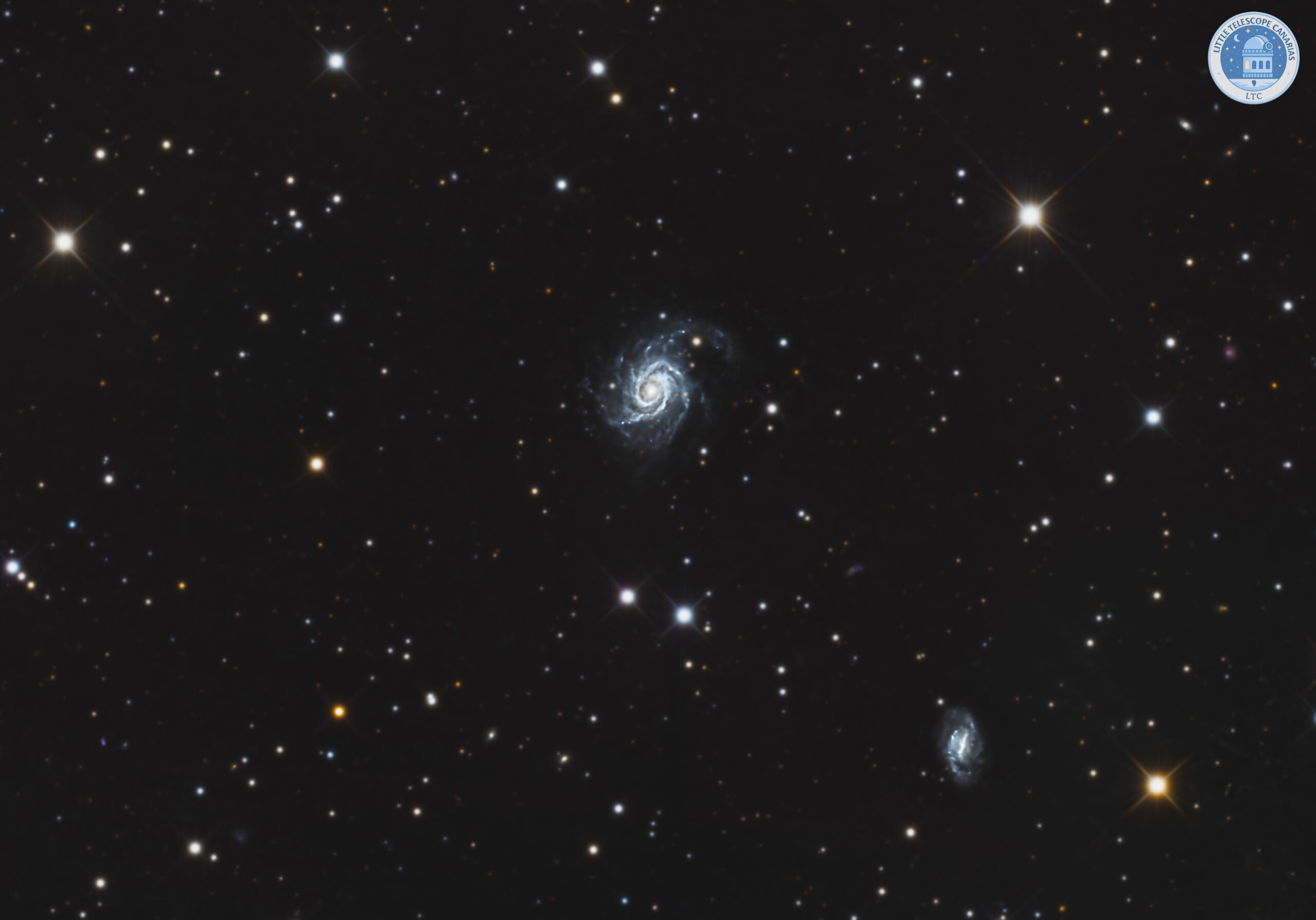
The LilTecan team has captured IC 438 using long exposures, revealing its faint profile and the delicate structure of its galactic disk.
🌟 Structure and observational properties
Available studies highlight several key characteristics:
- It shows a weak spiral structure, with poorly defined arms.
- Its angular size is small, consistent with its large distance.
- It has low surface brightness, making detection difficult.
- Its nucleus is not very prominent, with no clear signs of strong activity.
- It contains interstellar gas and dust, distributed relatively evenly.
- It represents a relatively quiet galaxy, with no major visible perturbations.
IC 438 is a galaxy that stands out for its subtlety. Studying it helps us better understand the diversity of galactic structures and different levels of activity in the universe.
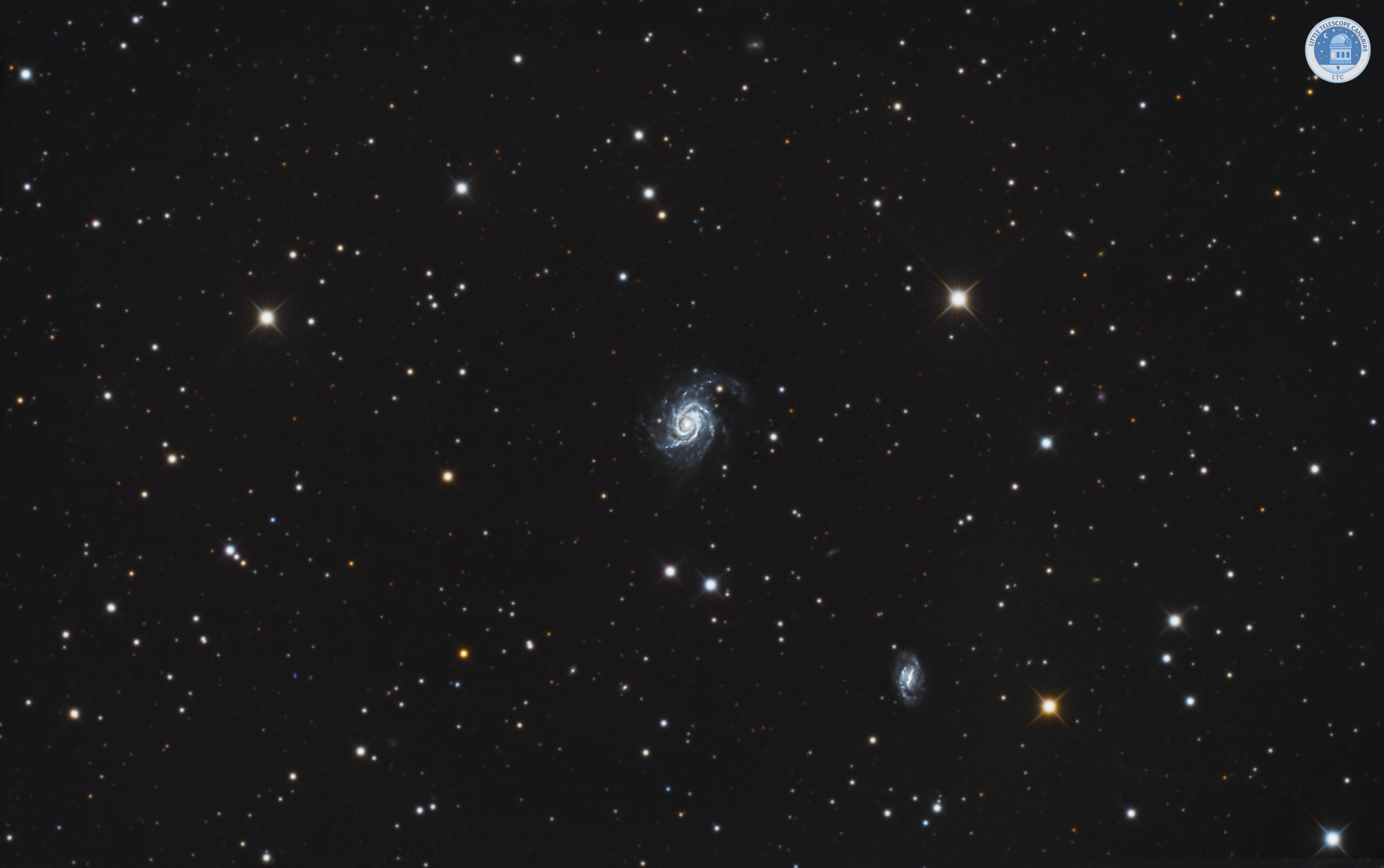
Observing it today is a challenge that tests the sensitivity of instruments, but also an opportunity to explore the most delicate deep-sky objects, where beauty lies in what is faint and distant.