
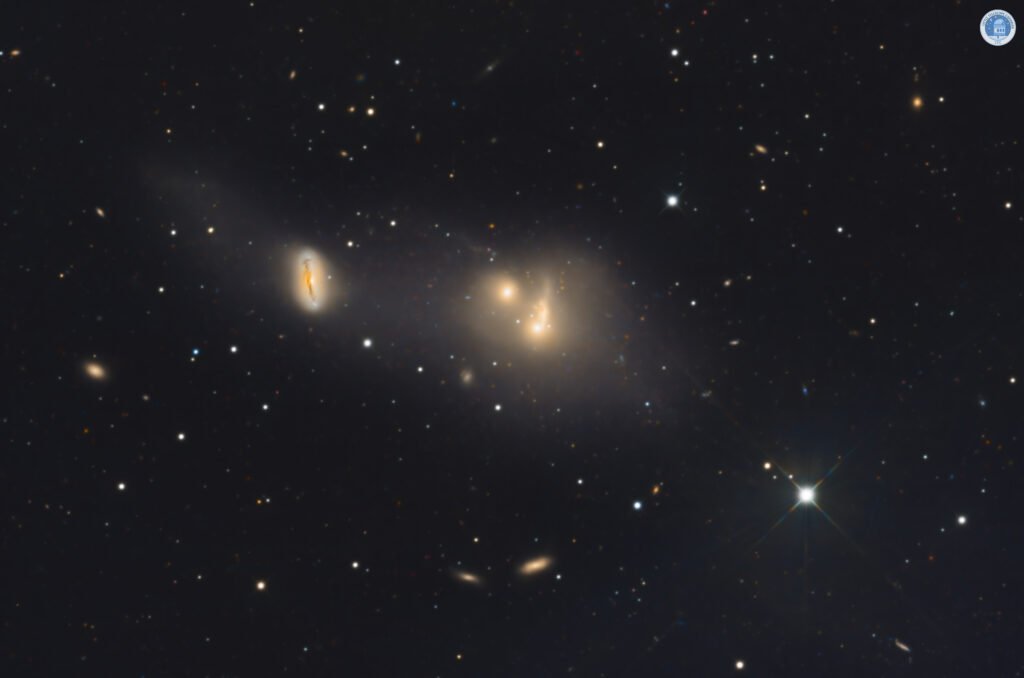
Hickson 90 (HCG 90) is a compact group of galaxies located in the constellation of Piscis Austrinus, at a distance of approximately 110 million light-years.
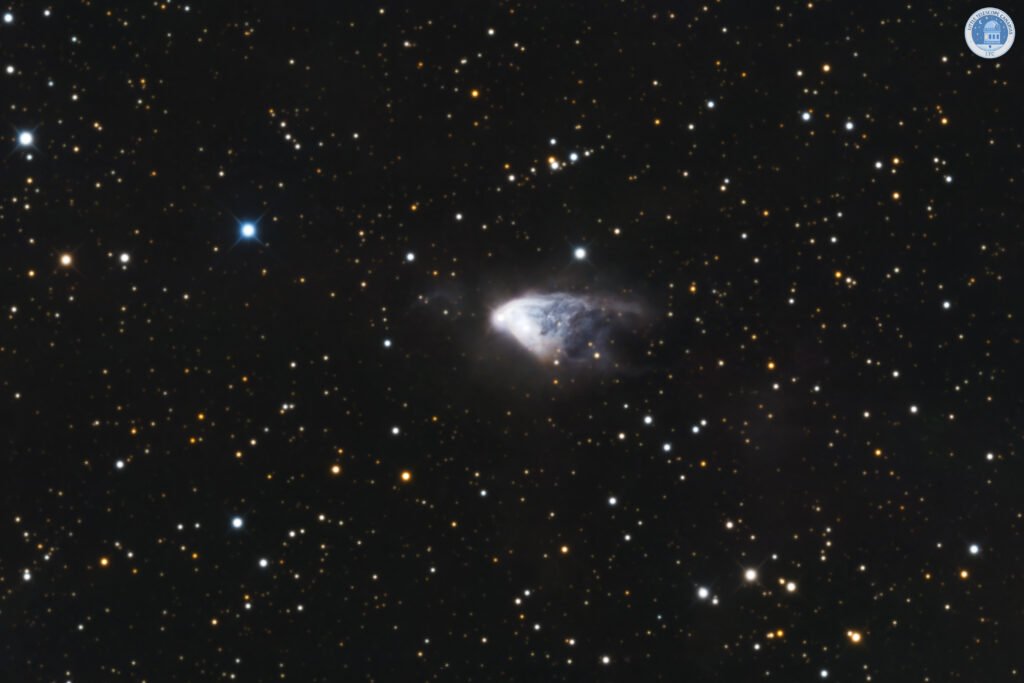
NGC 2261, known as Hubble’s Variable Nebula, is a reflection nebula located in the constellation of Monoceros (the Unicorn).
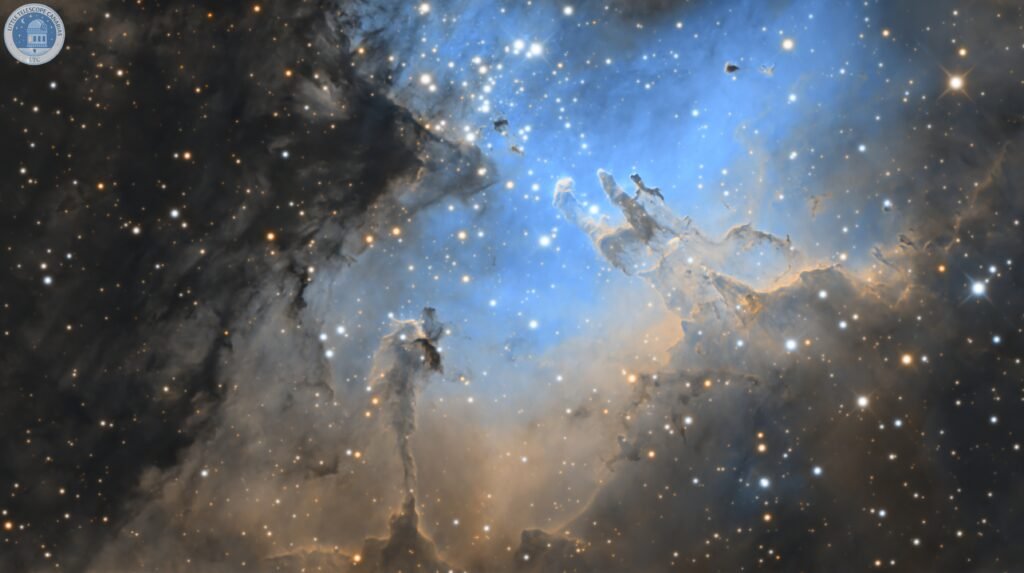
M16, popularly known as the Eagle Nebula, is an extensive star-forming region located in the constellation of Serpens. Within it lies one of the most recognizable structures in modern astronomy: the Pillars of Creation.
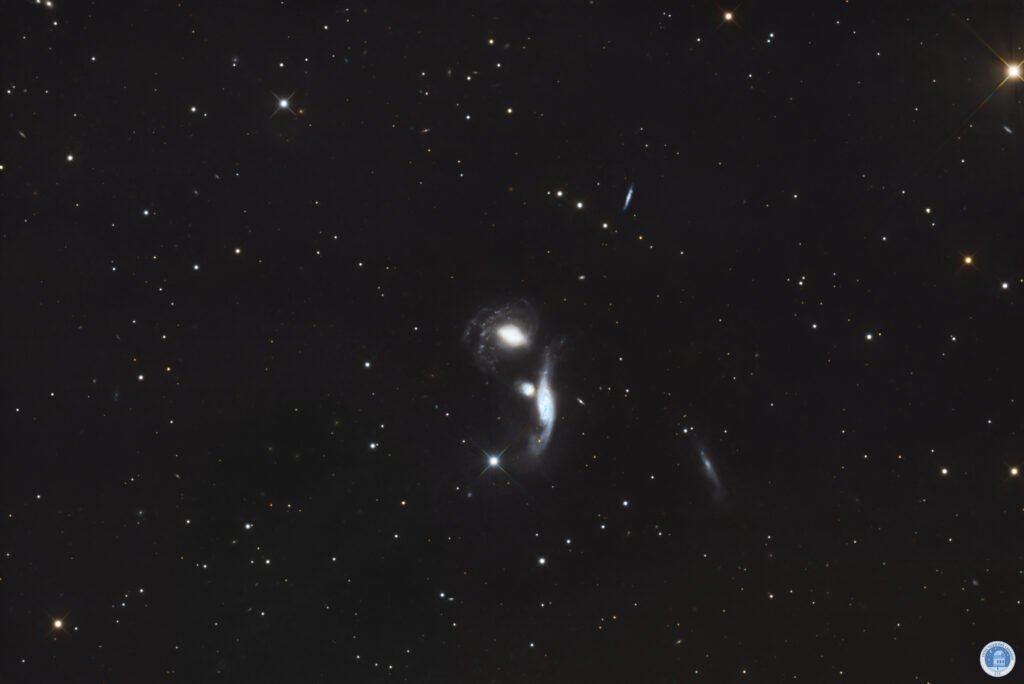
NGC 7465 is a galaxy located in the constellation of Pegasus, at a distance of approximately 22 Mpc, equivalent to about 72 million light-years
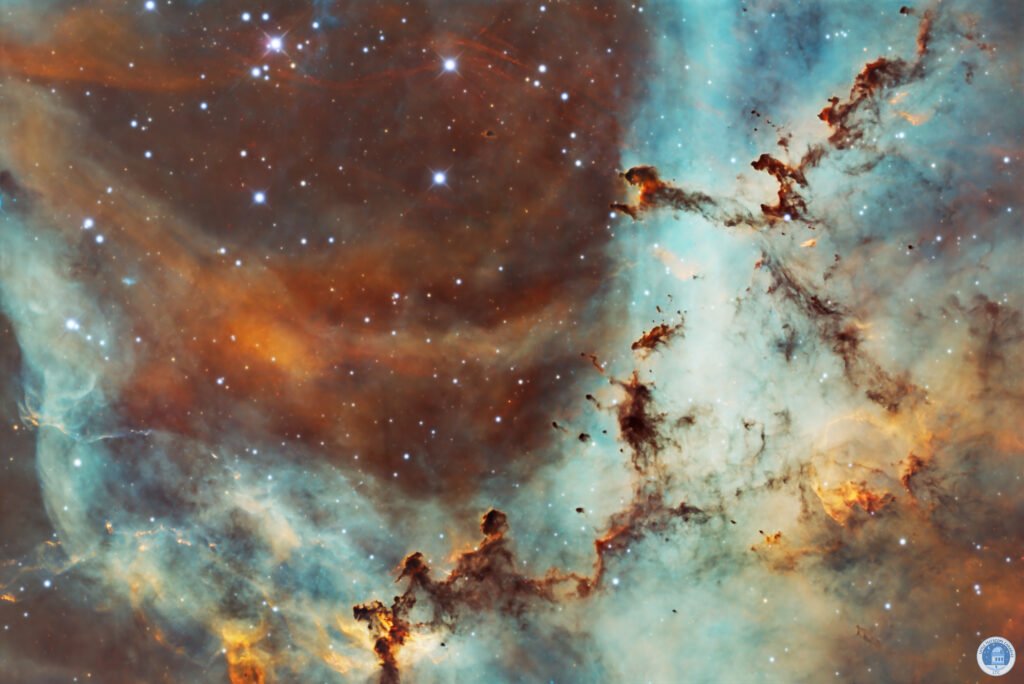
NGC 2244 is a very young open star cluster located in the constellation of Monoceros, at the center of the famous Rosette Nebula.
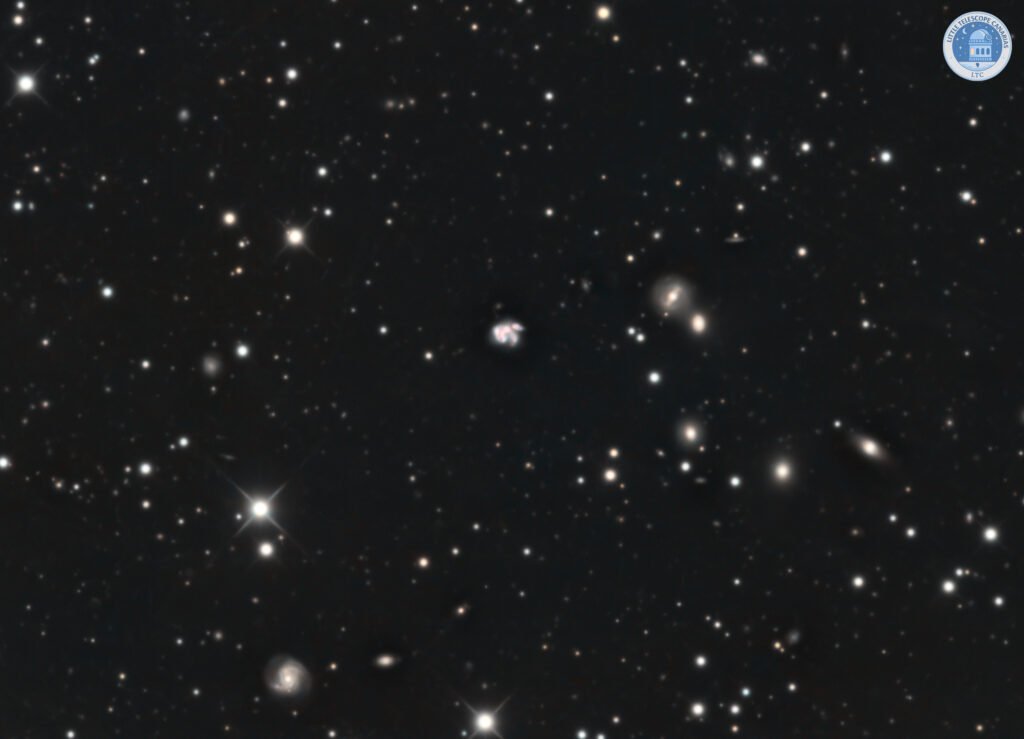
Abell 2197 (ACO 2197) is a galaxy cluster located in the constellation of Hercules, at a distance of more than 400 million light-years.
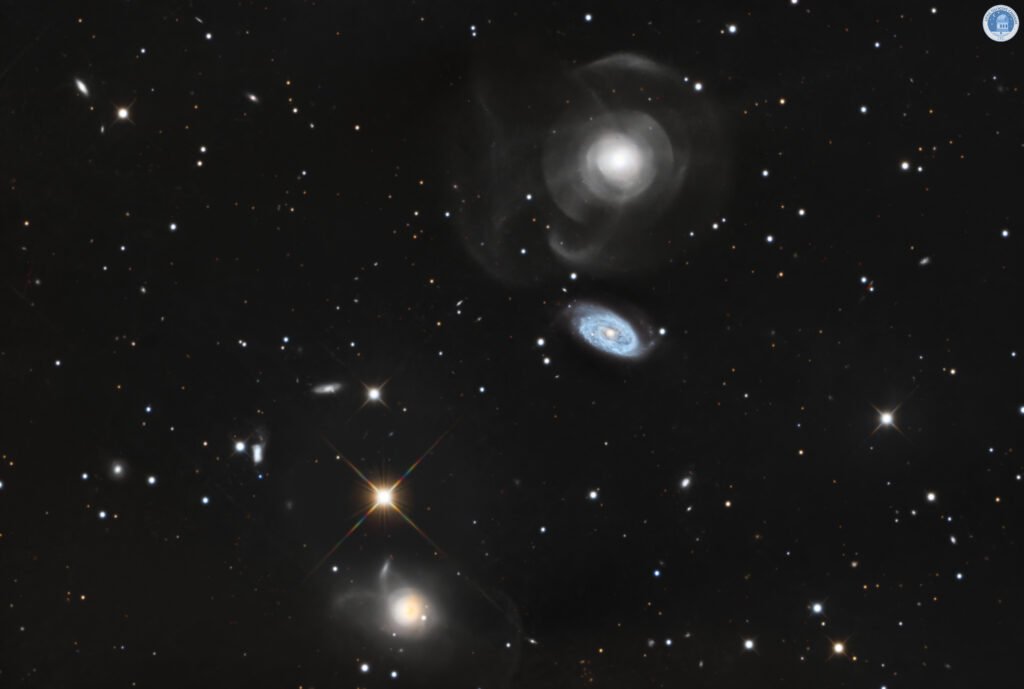
Arp 227 is one of the most interesting galactic structures in the constellation of Pisces. The designation refers to NGC 474, a lenticular galaxy surrounded by a spectacular system of faint stellar shells, arcs, and tidal structures extending around its main body.
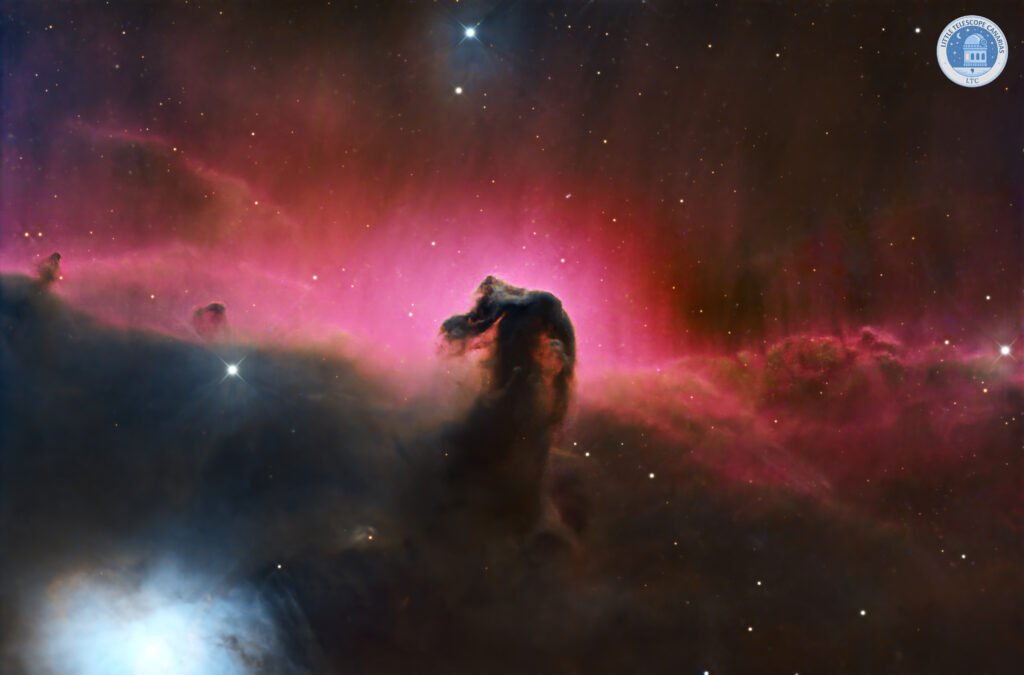
IC 434, popularly known as the Horsehead Nebula, is an emission region located in the constellation of Orion, within the Orion molecular cloud complex.
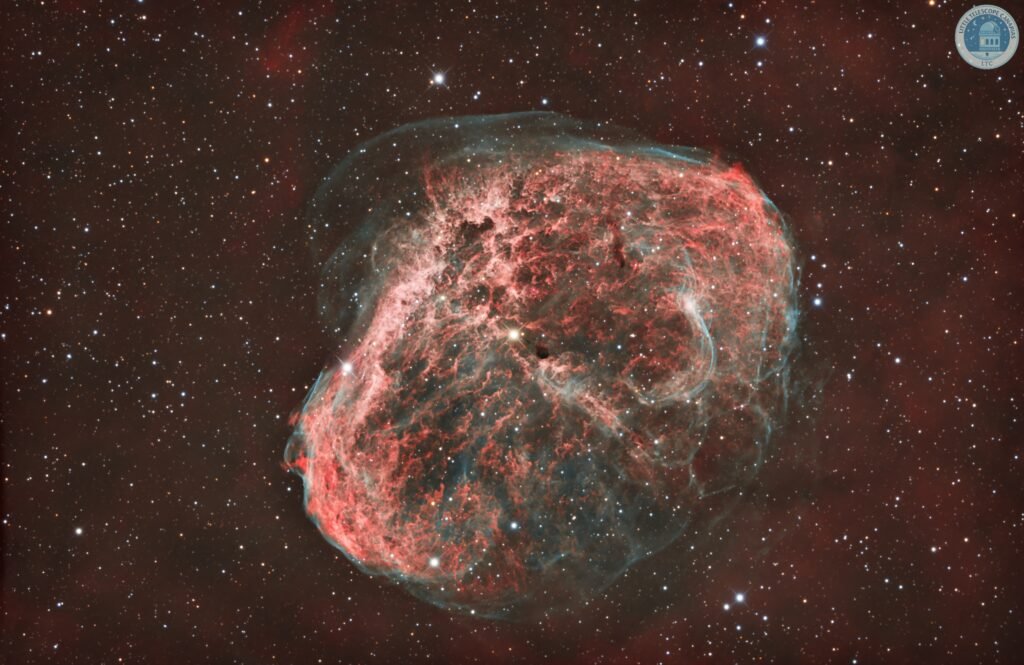
NGC 6888, popularly known as the Crescent Nebula and also designated Caldwell 27, is an emission nebula located in the constellation of Cygnus.
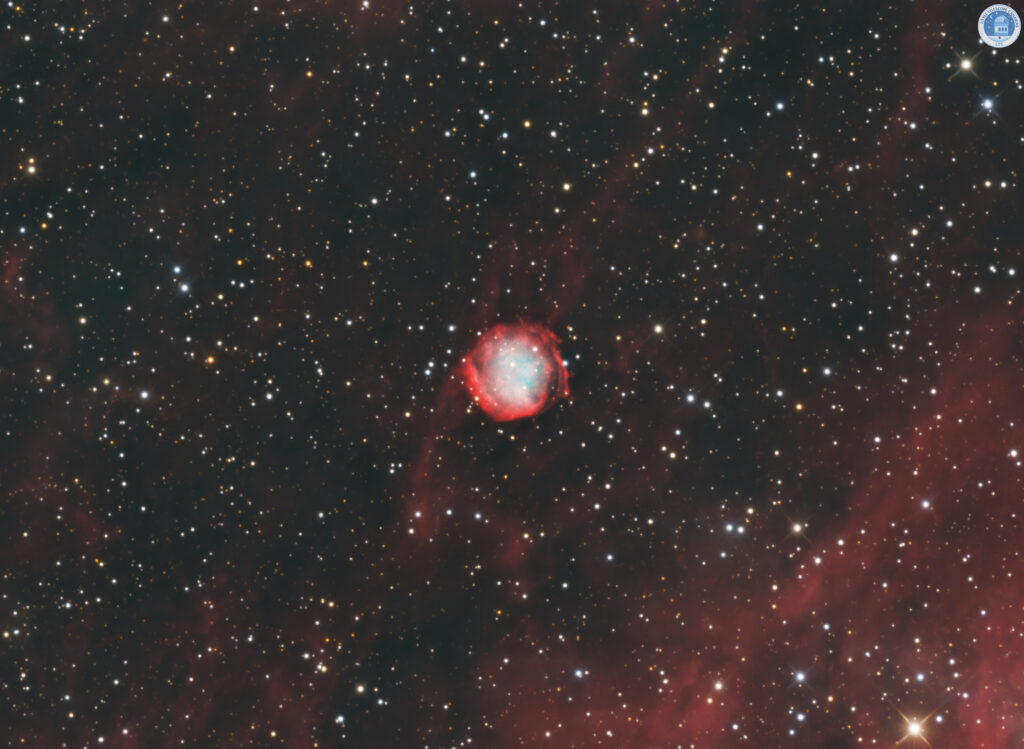
NGC 6210, popularly known as the Turtle Nebula, is a planetary nebula located in the constellation of Hercules, at an estimated distance of 6,000 to 6,500 light-years from Earth.
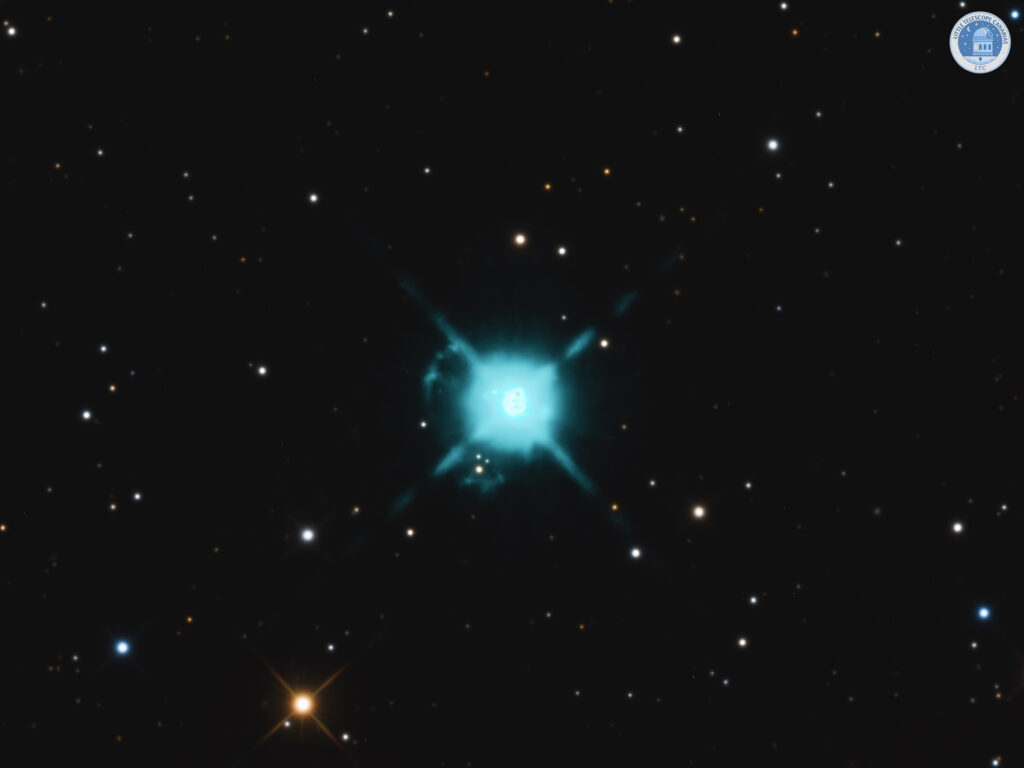
NGC 6445, popularly known as the Box Nebula, is a planetary nebula located in the constellation of Sagittarius, at an estimated distance of 4,000 to 5,000 light-years from Earth. It was discovered by William Herschel on May 28, 1786.
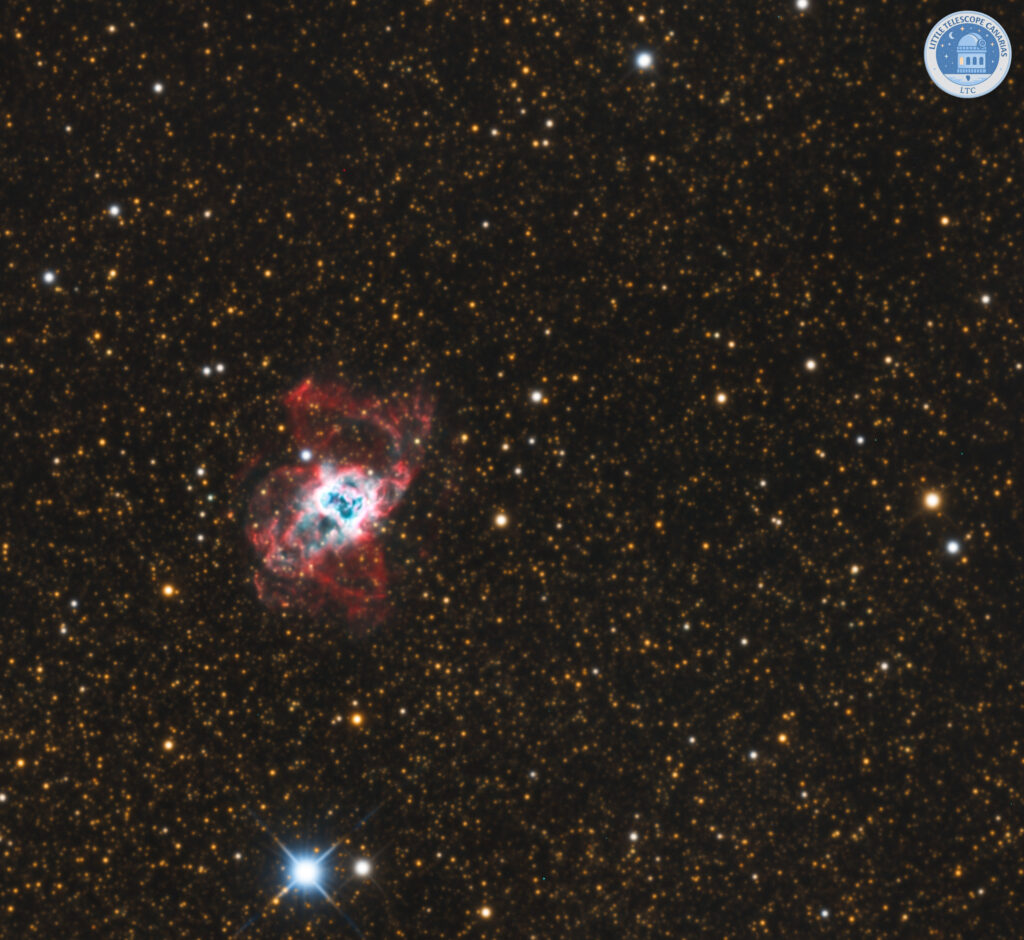
Abell 71, also cataloged as PN G084.9+04.4 and PK 85+4.1, is a planetary nebula located in the constellation of Cygnus, discovered by George Ogden Abell.
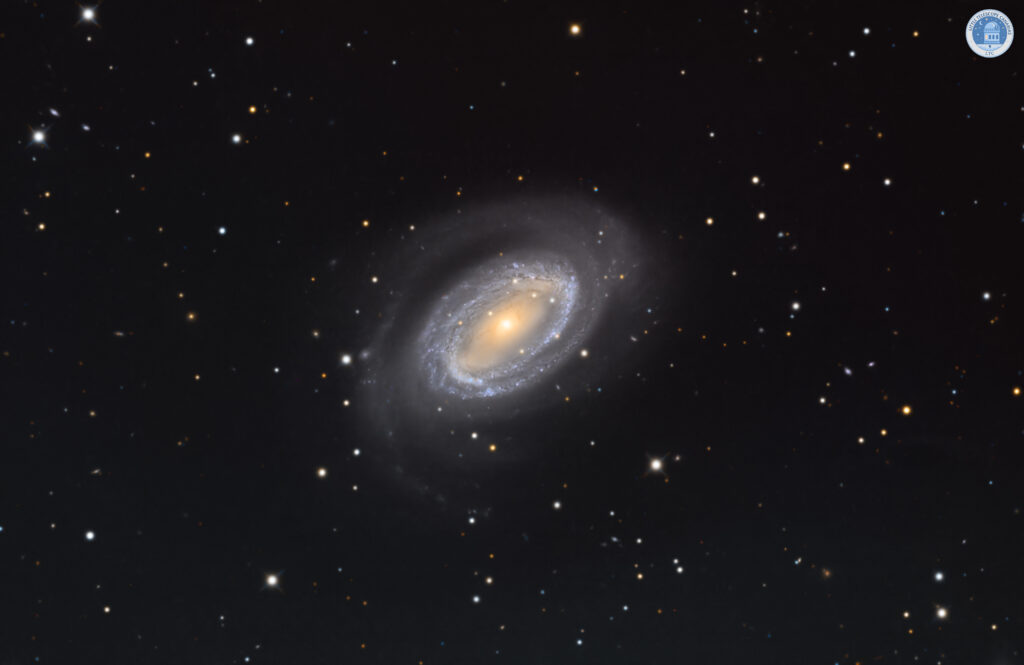
NGC 4725 is a spiral galaxy located in the constellation of Coma Berenices, approximately 40–50 million light-years from Earth. Discovered by William Herschel on April 6, 1785.
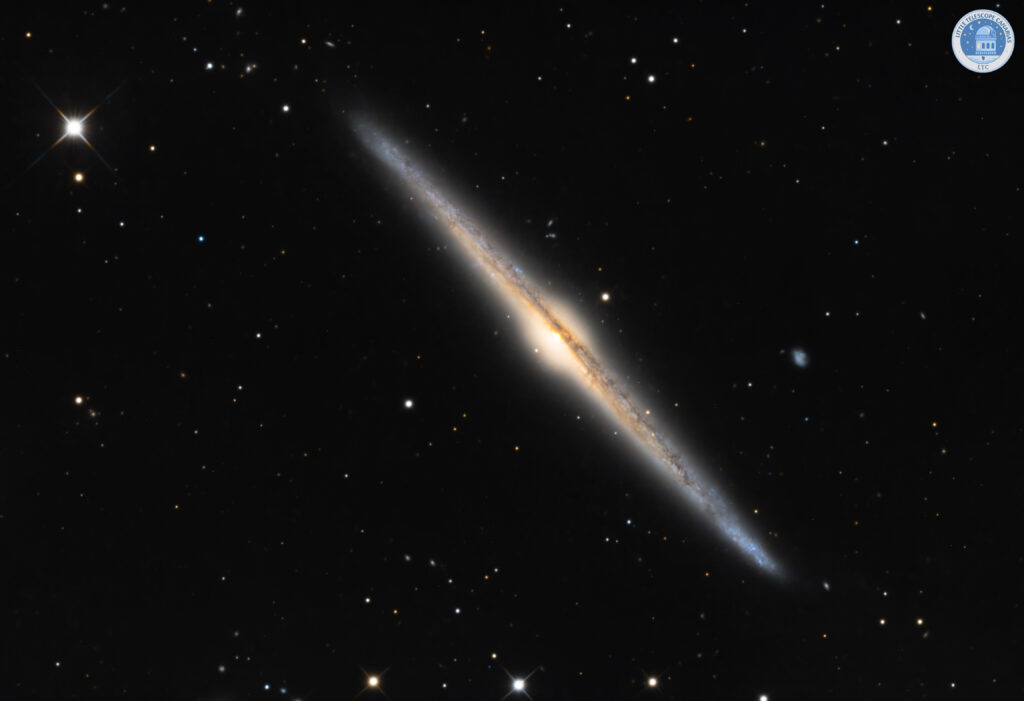
NGC 4565, popularly known as the Needle Galaxy, is one of the most spectacular edge-on spiral galaxies in the night sky. Located in the constellation of Coma Berenices, at an approximate distance of 40–50 million light-years from Earth.
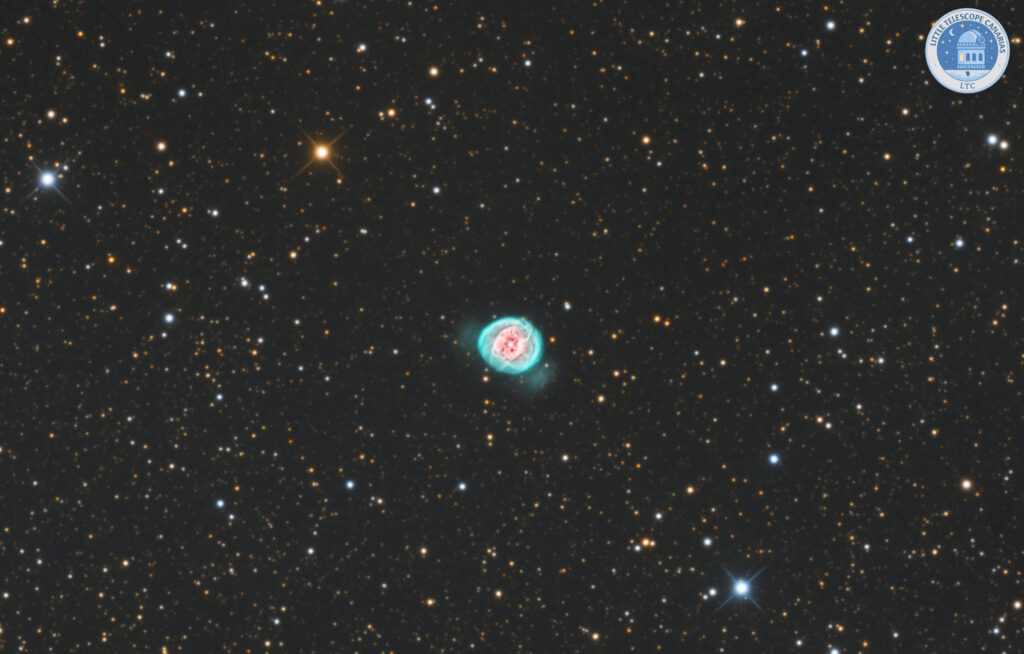
NGC 6804 is a planetary nebula located in the constellation of Aquila, at an estimated distance of 4,000 to 5,000 light-years from Earth. It was discovered by William Herschel on July 25, 1791, and was later included in the New General Catalogue
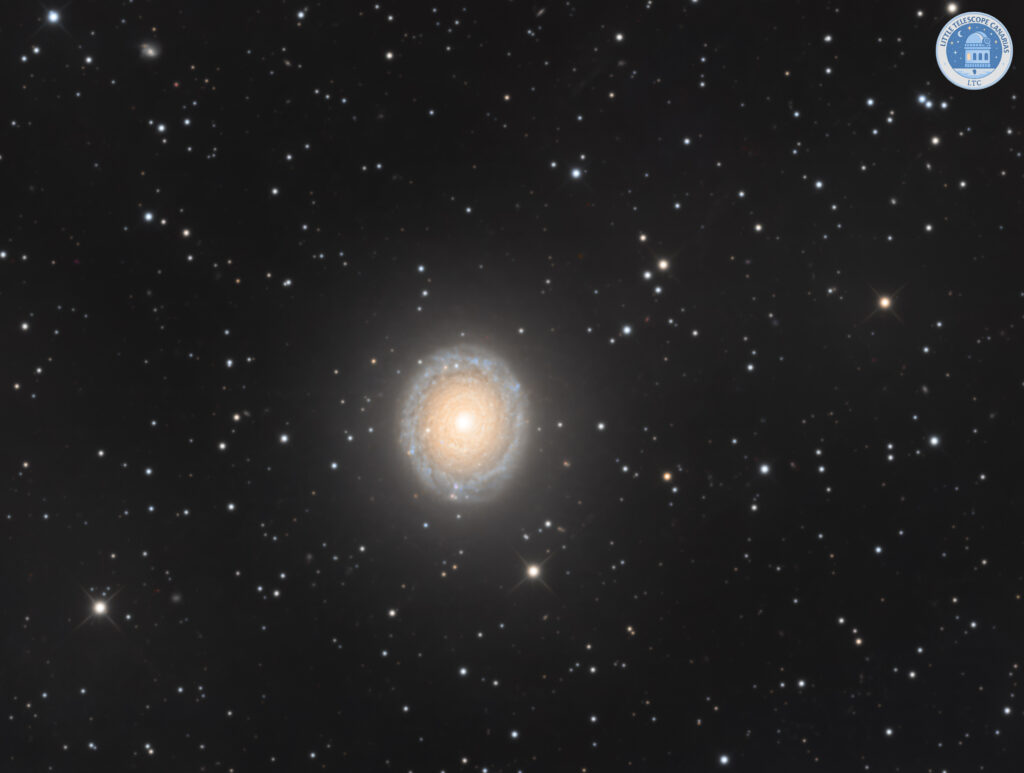
NGC 7217 is a fascinating spiral galaxy located in the constellation of Pegasus, approximately 50 million light-years from Earth. It was discovered by William Herschel on October 17, 1784.
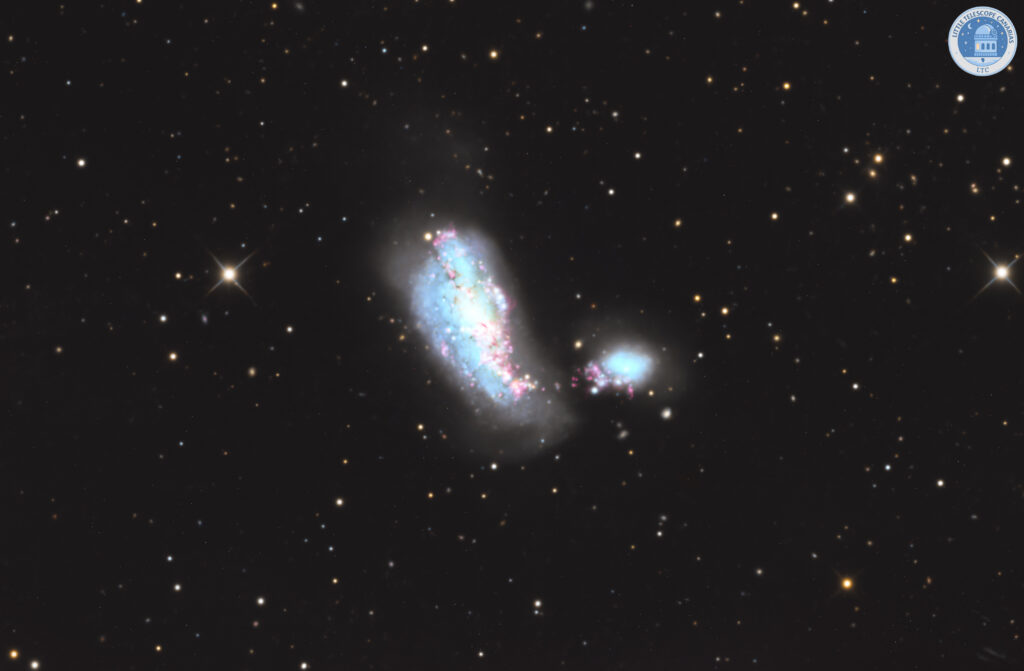
Arp 269 is one of the closest and most spectacular interacting galaxy systems in the sky. Located in the constellation of Canes Venatici, at an approximate distance of 24 million light-years, it is composed of the galaxies NGC 4490 and NGC 4485.
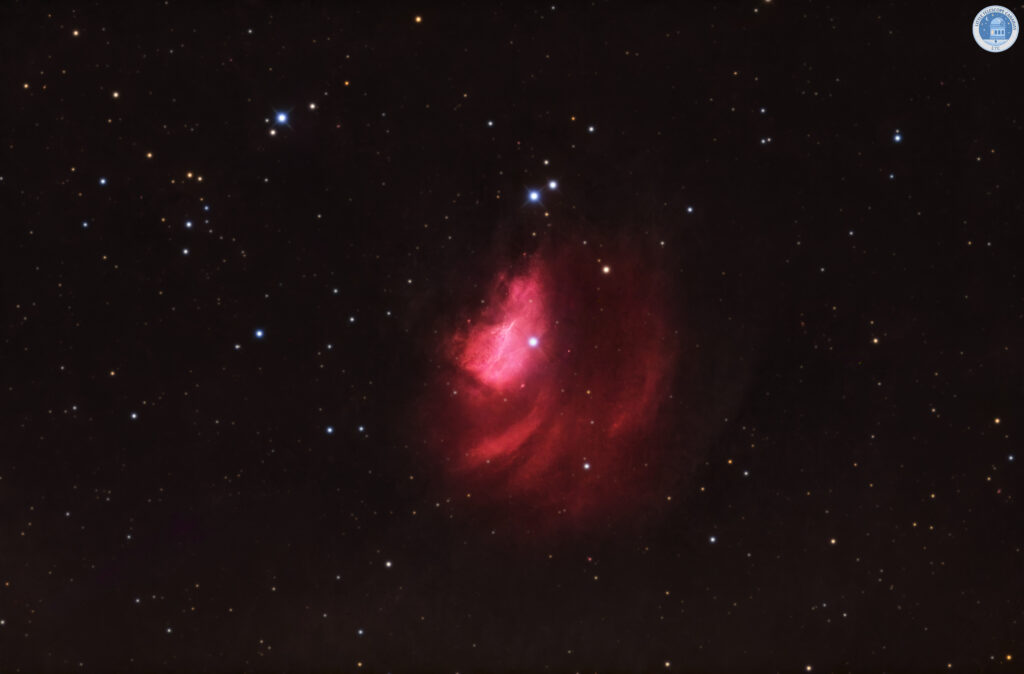
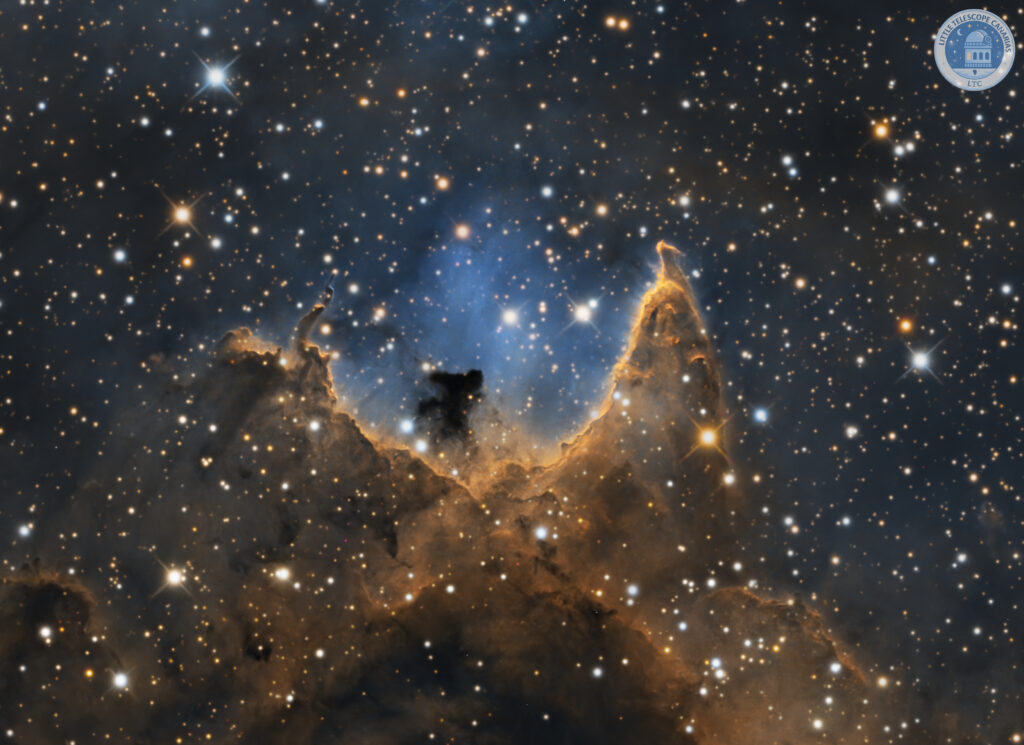
Sh2-130 (Sharpless 130) is an H II region located in the constellation of Cepheus, approximately 2,000 light-years from Earth. It is part of the catalog published by Stewart Sharpless in 1959, which lists some of the Milky Way’s most prominent ionized hydrogen regions.
Sh2-130 (Sharpless 130) is an H II region located in the constellation of Cepheus, approximately 2,000 light-years from Earth. It is part of the catalog published by Stewart Sharpless in 1959, which lists some of the Milky Way’s most prominent ionized hydrogen regions.
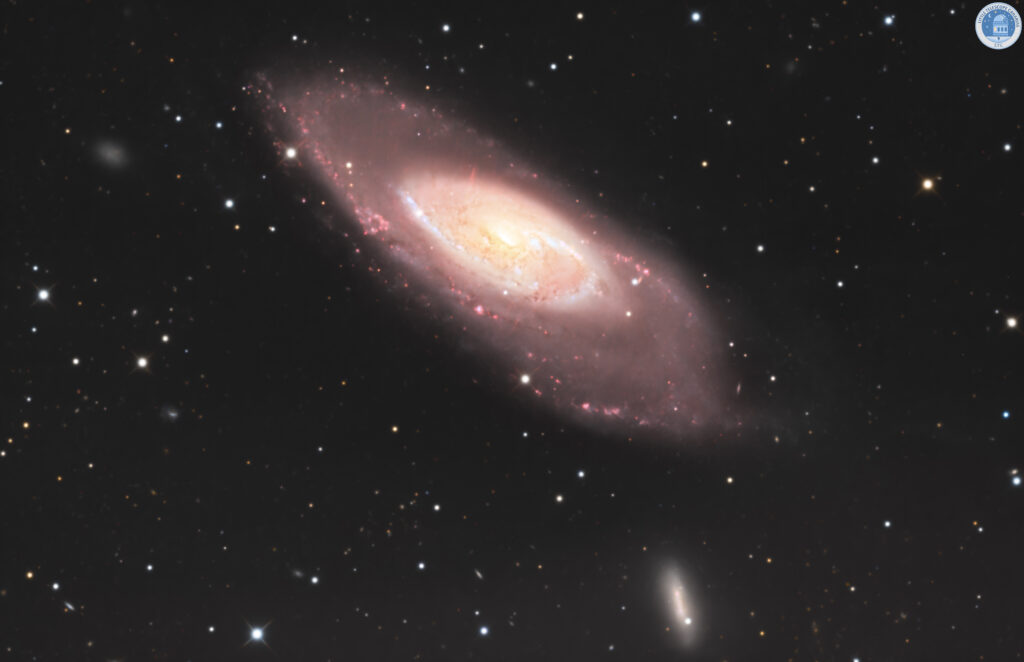
Messier 106, also cataloged as NGC 4258, is a remarkable spiral galaxy located in the constellation of Canes Venatici, approximately 23.5 million light-years from Earth.
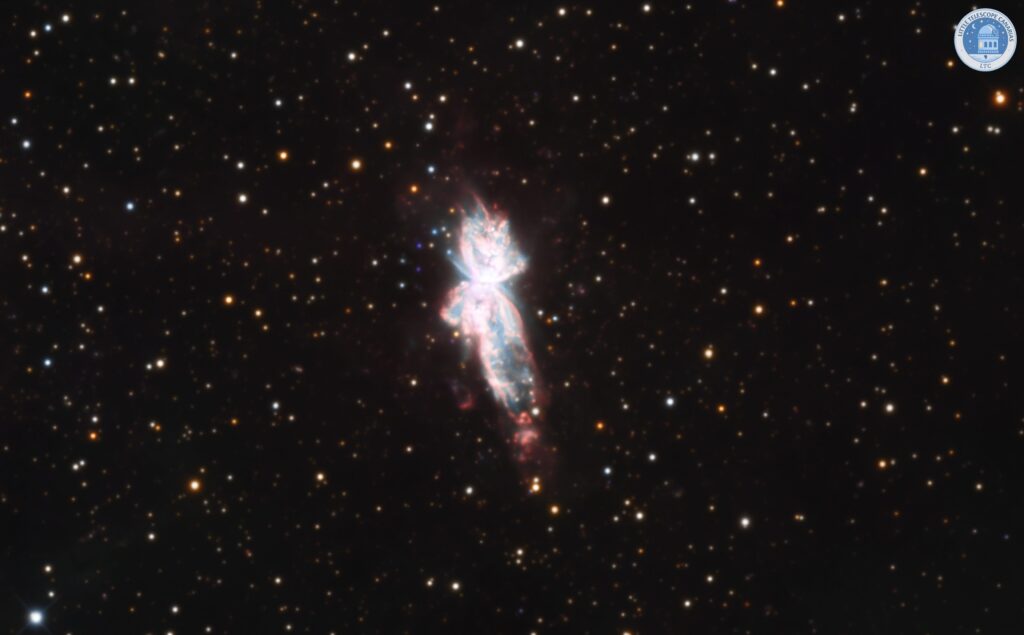
NGC 6302, commonly known as the Butterfly Nebula or Bug Nebula, is one of the most impressive and complex planetary nebulae known. Located in the constellation of Scorpius, at an approximate distance of 3,800 light-years, it was discovered by Edward Emerson Barnard in 1880.
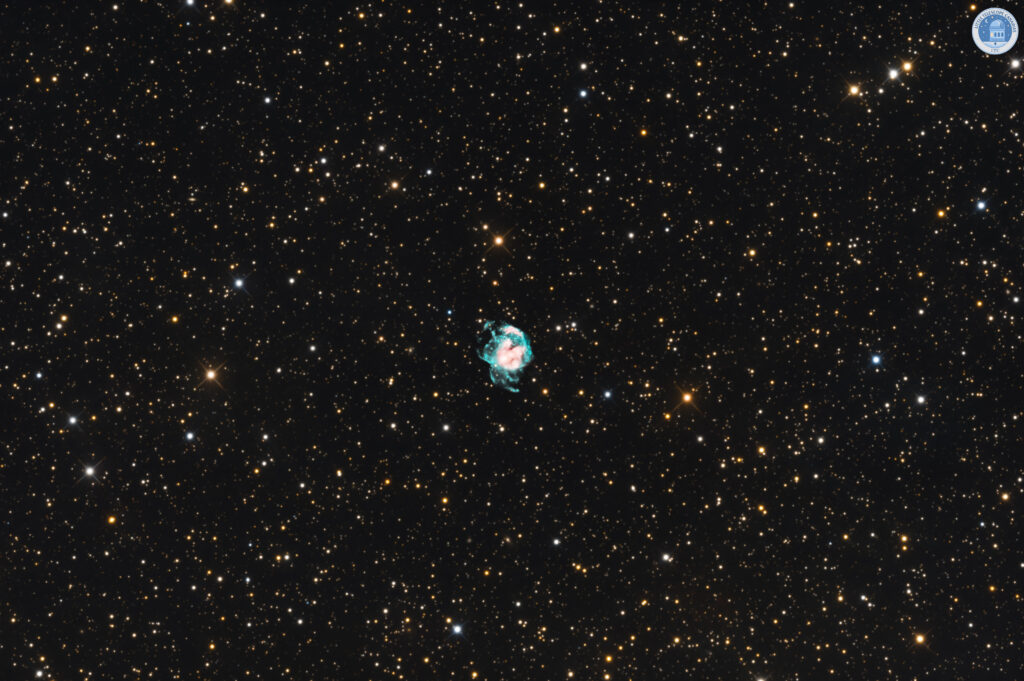
NGC 6765 is a small and peculiar planetary nebula located in the constellation of Lyra, discovered by Albert Marth on June 28, 1864. With an apparent magnitude of about 12.9 and an angular size of only 38 arcseconds, it is a faint object that requires moderate to large telescopes to reveal its most interesting details.
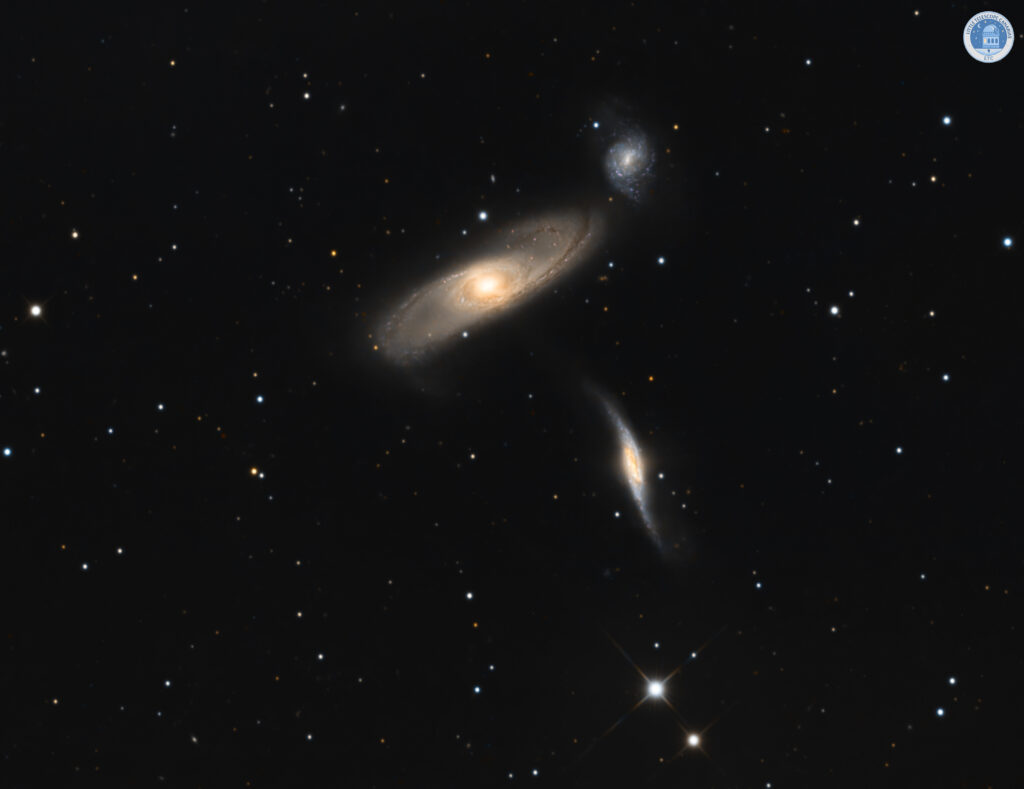
Arp 286 system is a striking group of galaxies located in the constellation of Virgo, at an approximate distance of 65 to 90 million light-years from Earth. It was included by Halton Arp in his famous Atlas of Peculiar Galaxies within the category of galaxies showing evidence of gravitational attraction and interaction.
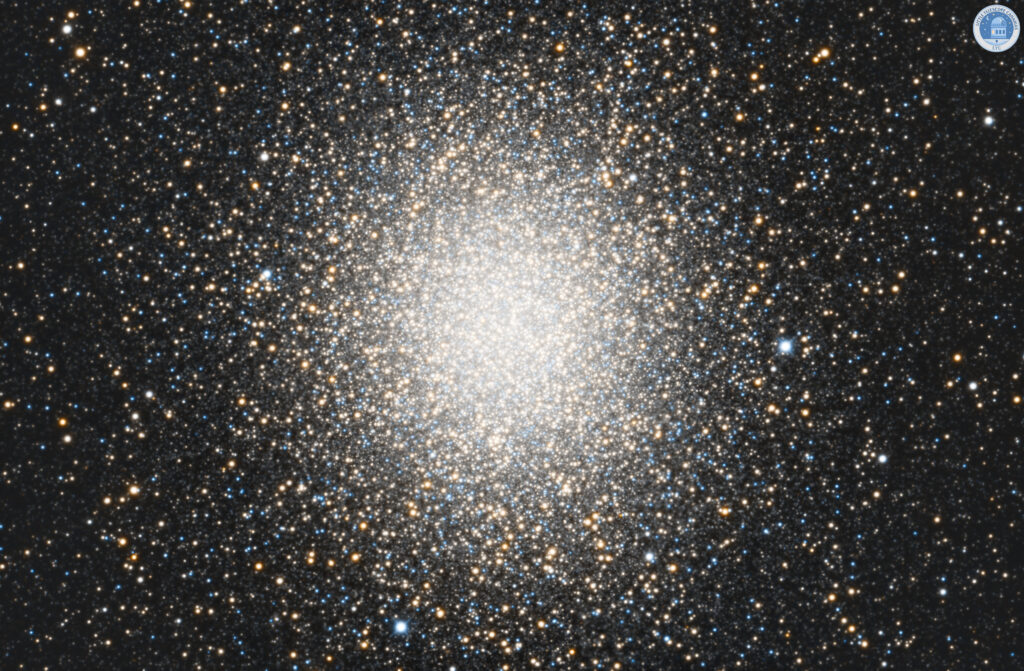
NGC 5139, popularly known as Omega Centauri, is the largest and brightest globular cluster in the Milky Way. Located in the constellation of Centaurus, about 15,800 light-years from Earth, it contains several million stars concentrated within an enormous gravitational sphere.
NGC 2841 is an impressive spiral galaxy located in the constellation of Ursa Major, about 46 million light-years from Earth. It was discovered by William Herschel in 1788 and is considered one of the most massive and structurally complex spiral galaxies in the nearby universe.
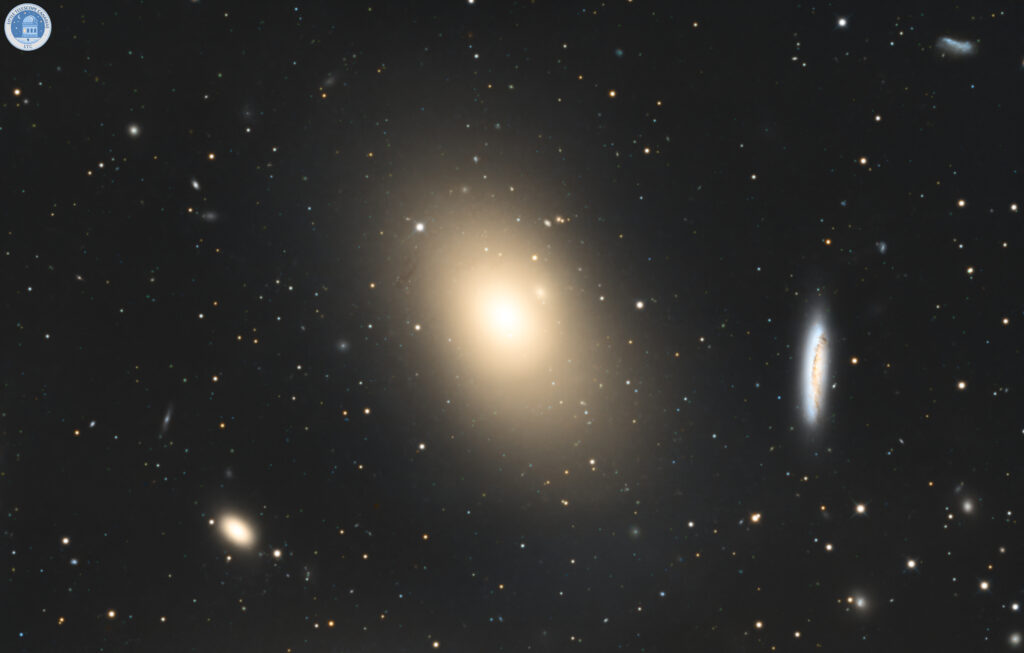
M86 is a giant elliptical galaxy located in the constellation of Virgo, about 52 million light-years from Earth. It was discovered by Charles Messier in 1781 and is part of the famous Virgo Cluster, one of the largest galaxy concentrations in the nearby universe.
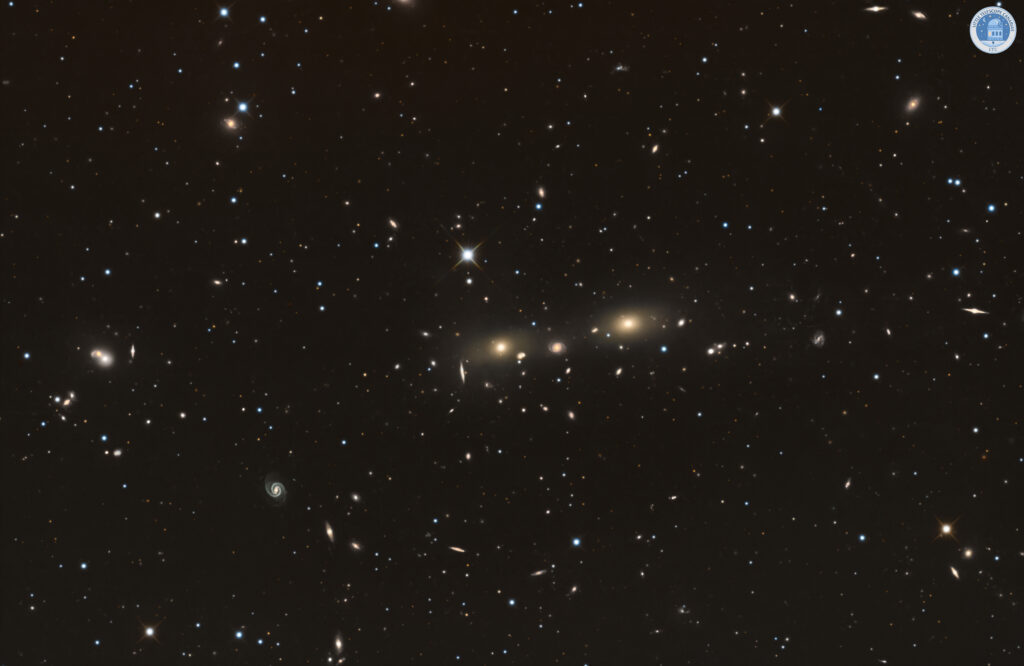
Abell 2147 is a galaxy cluster belonging to the catalog compiled by George O. Abell, located within the region of the Hercules Supercluster, about 500 million light-years from Earth. Although some sources place it in the area of Serpens Caput.
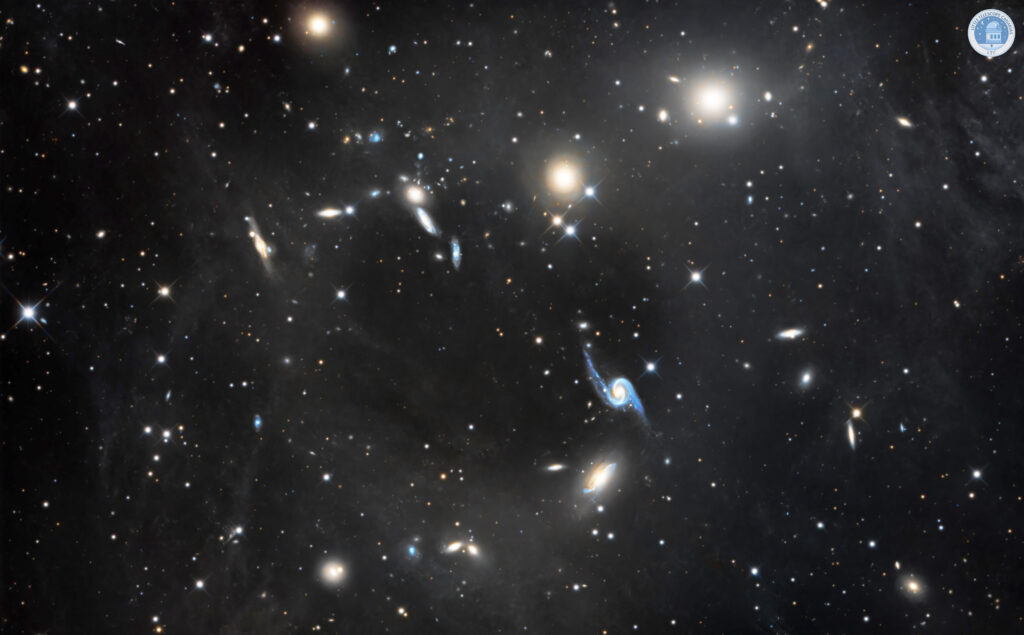
The Arp 65 system corresponds to the spectacular interacting pair formed by NGC 90 and NGC 93, located in the constellation of Andromeda, about 240 million light-years from Earth. The system was included by Halton Arp in his famous Atlas of Peculiar Galaxies because of the strong distortions visible in both galaxies.
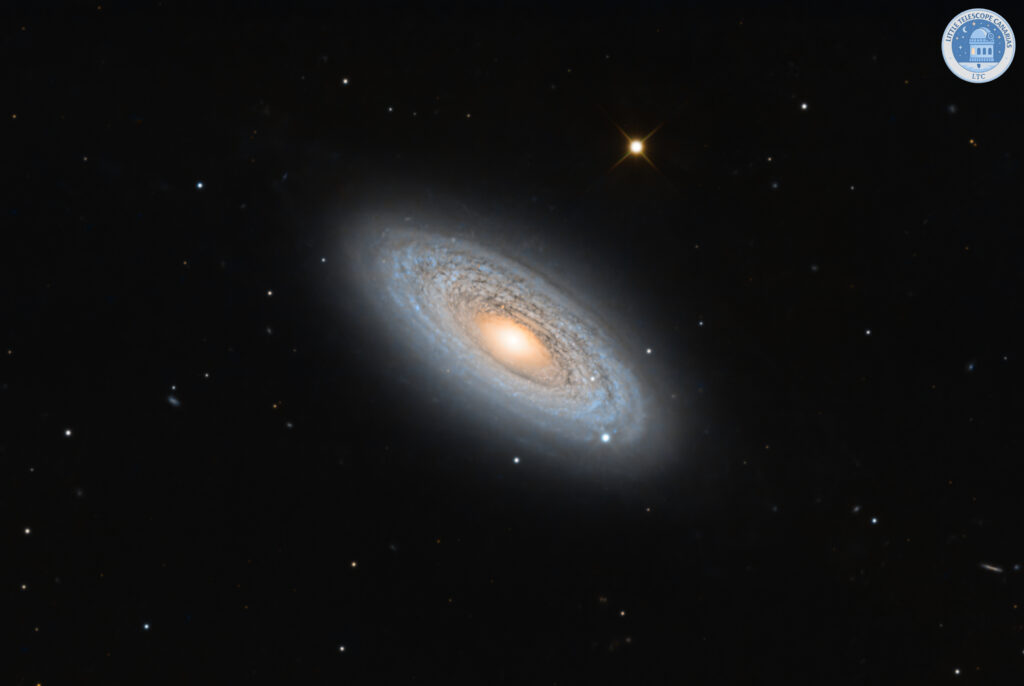
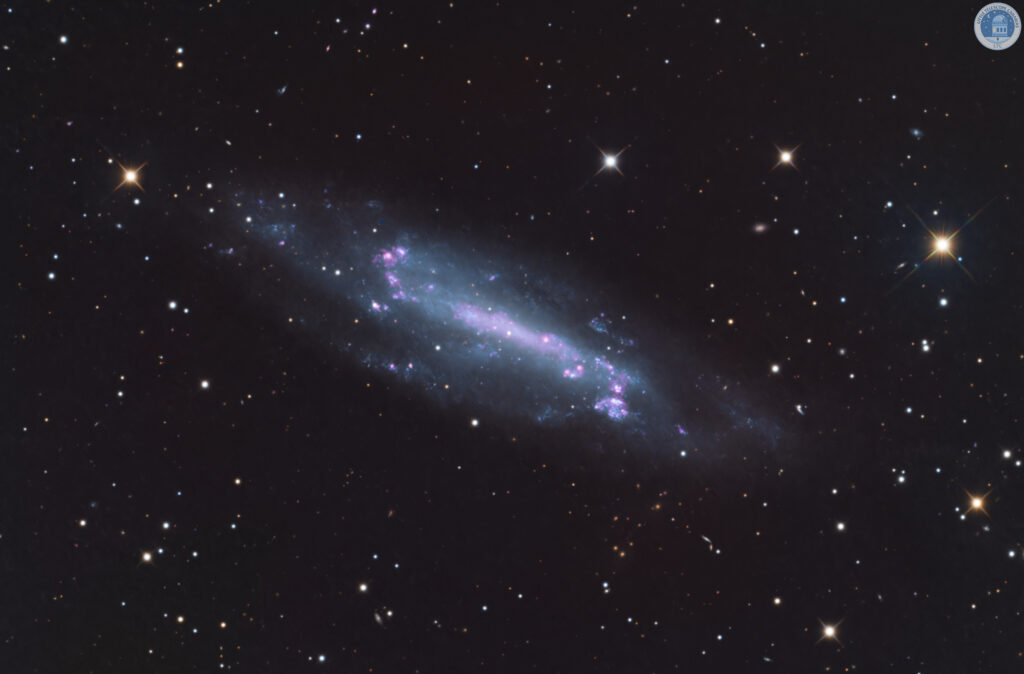
NGC 4236 is a barred spiral galaxy located in the constellation of Draco, about 11 million light-years from Earth. It was discovered by William Herschel in 1793 and is part of the M81 Group, one of the closest galaxy groups to the Local Group.
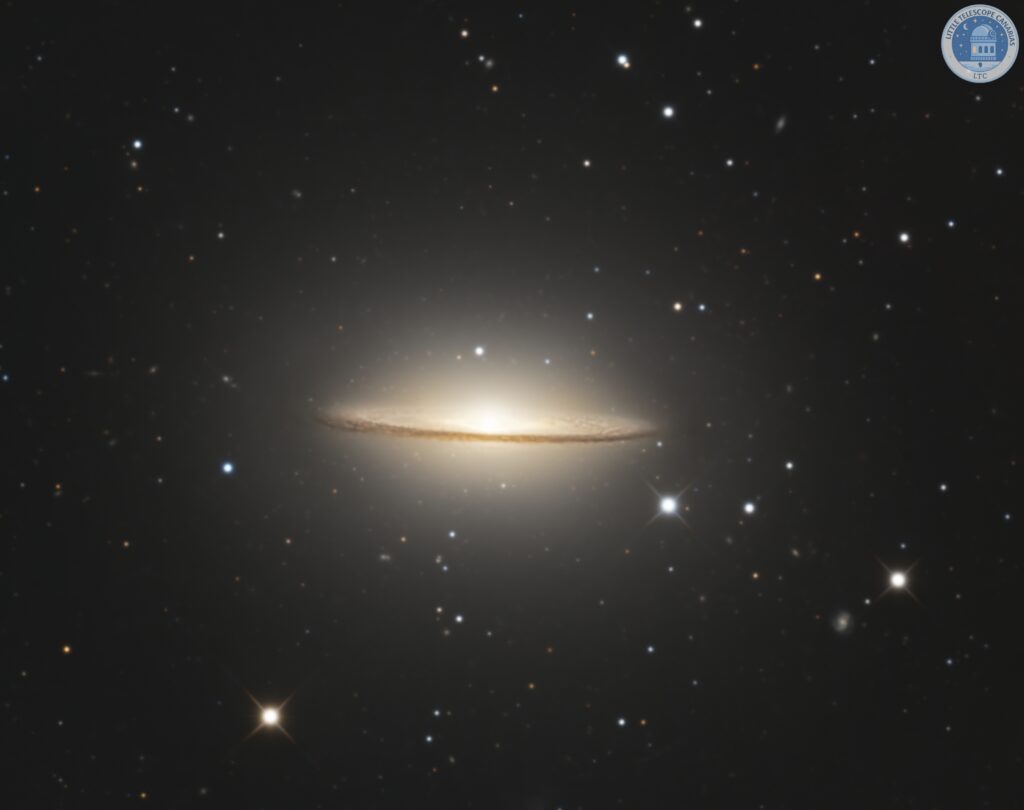
M104, known as the Sombrero Galaxy, is a spiral galaxy located in the constellation of Virgo, about 29 million light-years from Earth. It was discovered by Pierre Méchain in 1781 and later included in the catalog of Charles Messier.
NGC 6894 is a planetary nebula located in the constellation of Cygnus, at an approximate distance of 5,000 light-years from Earth. It was discovered by William Herschel in 1784 and is characterized by its low surface brightness, making it a subtle and challenging object to observe.
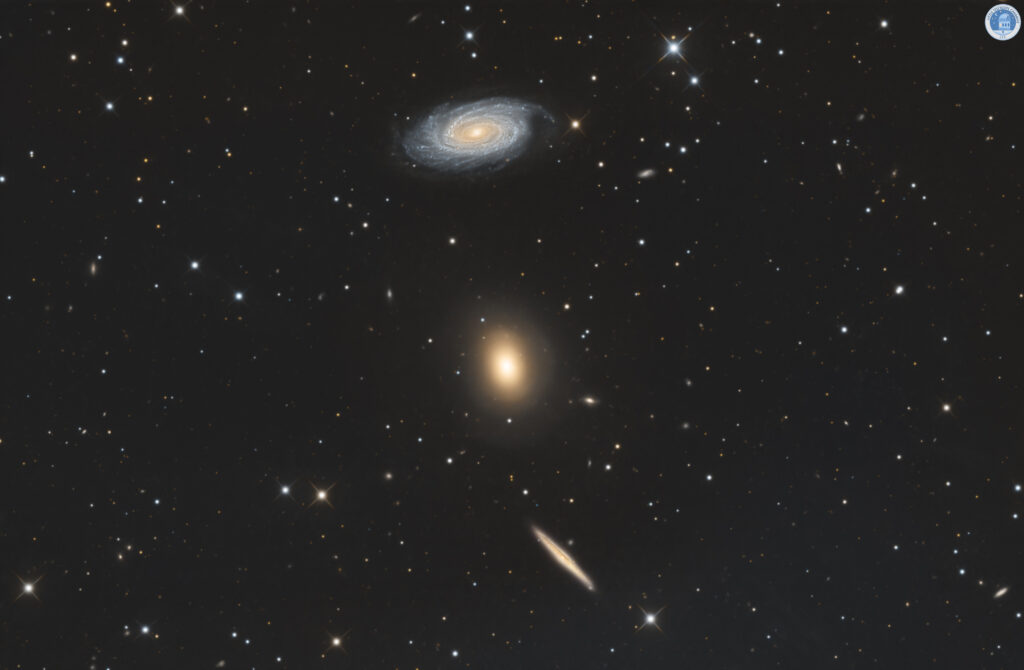
The Triplete de Draco, known as the Draco Triplet, is a striking group of galaxies located in the constellation of Draco, about 100 million light-years from Earth. This group is mainly composed of three galaxies: NGC 5981, NGC 5982, and NGC 5985, which appear aligned in the sky, offering a very attractive visual contrast.
IC 438 is a spiral galaxy located in the constellation of Lepus, at an approximate distance of 300 million light-years from Earth. It was cataloged in the late 19th century in the Index Catalogue and is characterized by its low surface brightness, making it a subtle and observationally challenging object.
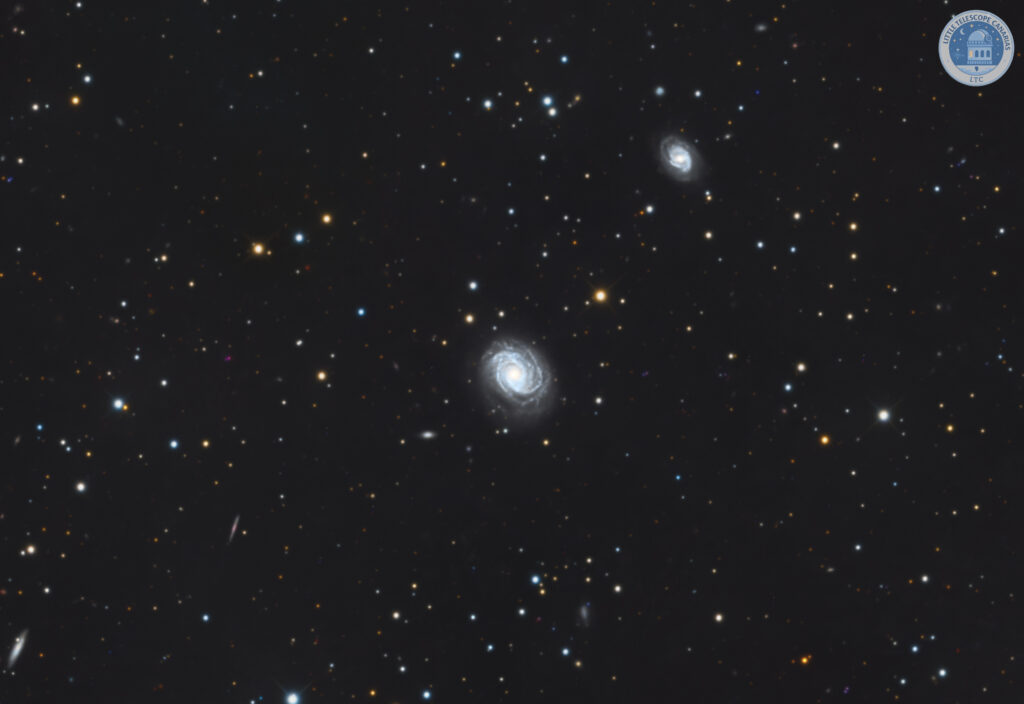
IC 438 is a spiral galaxy located in the constellation of Lepus, at an approximate distance of 300 million light-years from Earth. It was cataloged in the late 19th century in the Index Catalogue and is characterized by its low surface brightness, making it a subtle and observationally challenging object.
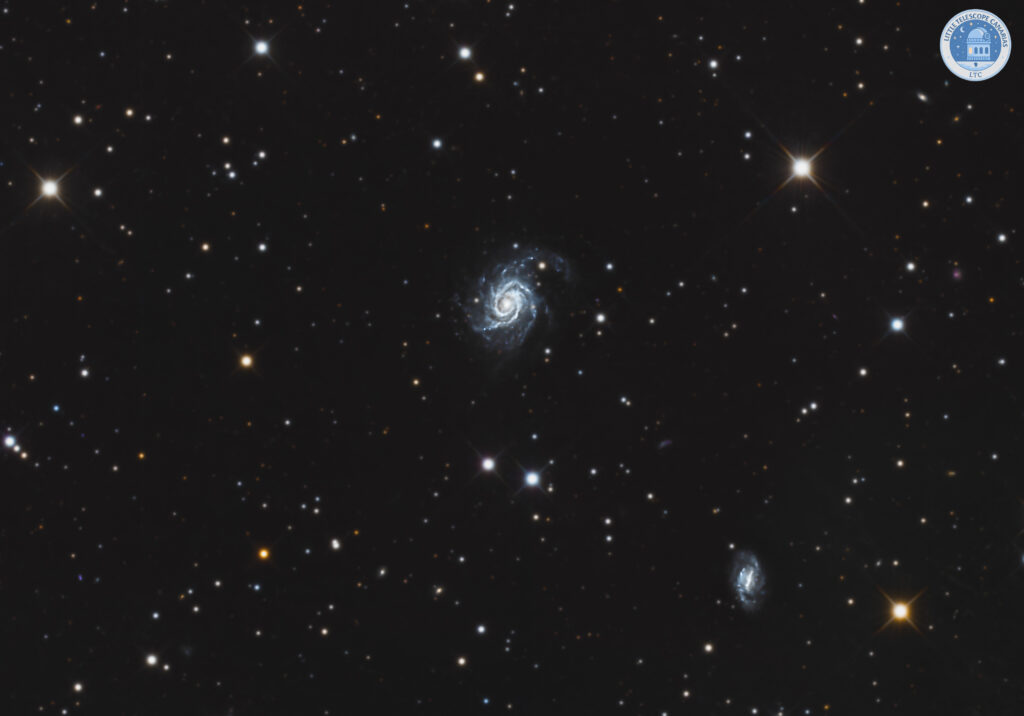
IC 239 is a spiral galaxy located in the constellation of Andromeda, at an approximate distance of 250 million light-years from Earth. It was cataloged in the late 19th century in the Index Catalogue and is notable for its low surface brightness, making it a challenging object even under dark skies.
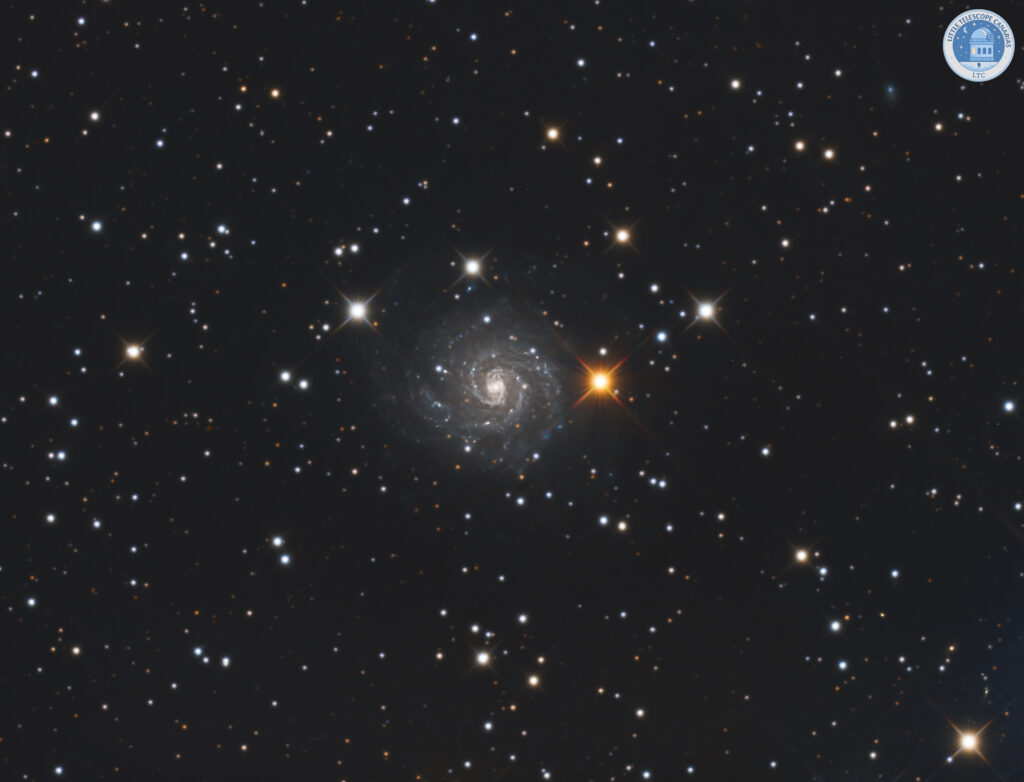
NGC 7042 is a spiral galaxy located in the constellation of Cygnus, about 300 million light-years from Earth. It was discovered by Albert George Wilson and is characterized by its low surface brightness, making it a challenging object even for telescopes with significant aperture.
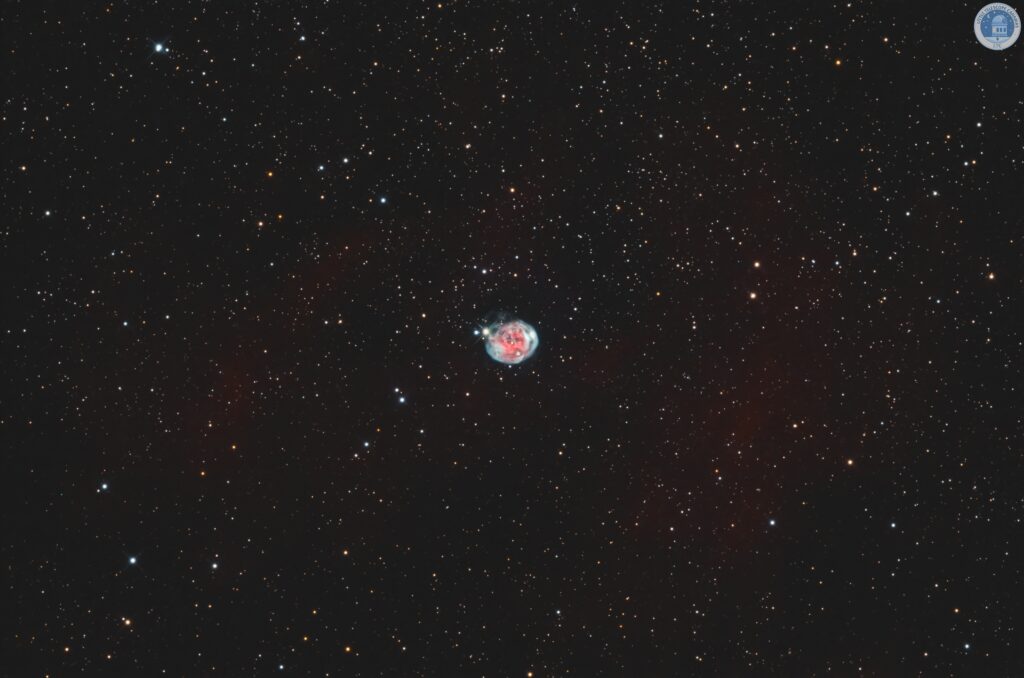
NGC 7008, known as the Fetus Nebula, is a planetary nebula located in the constellation of Cygnus, about 2,800 light-years from Earth. It was discovered by William Herschel in 1787 and stands out for its irregular and complex shape.
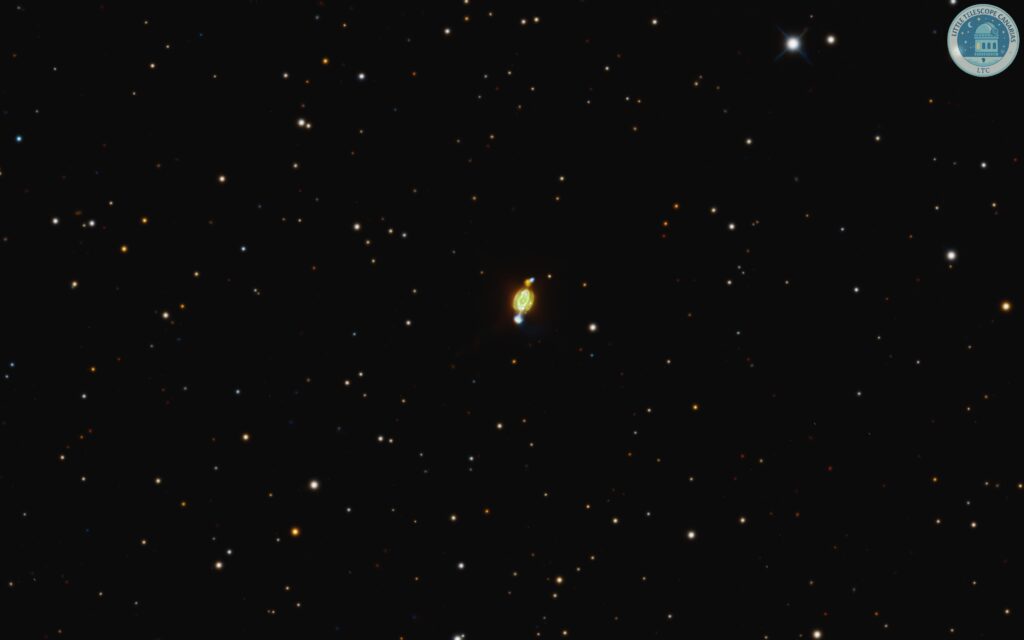
NGC 7009, known as the Saturn Nebula, is a bright planetary nebula located in the constellation of Aquarius, about 3,900 light-years from Earth. It was discovered by William Herschel in 1782 and gets its name from its visual resemblance to the planet Saturn, due to its lateral extensions.
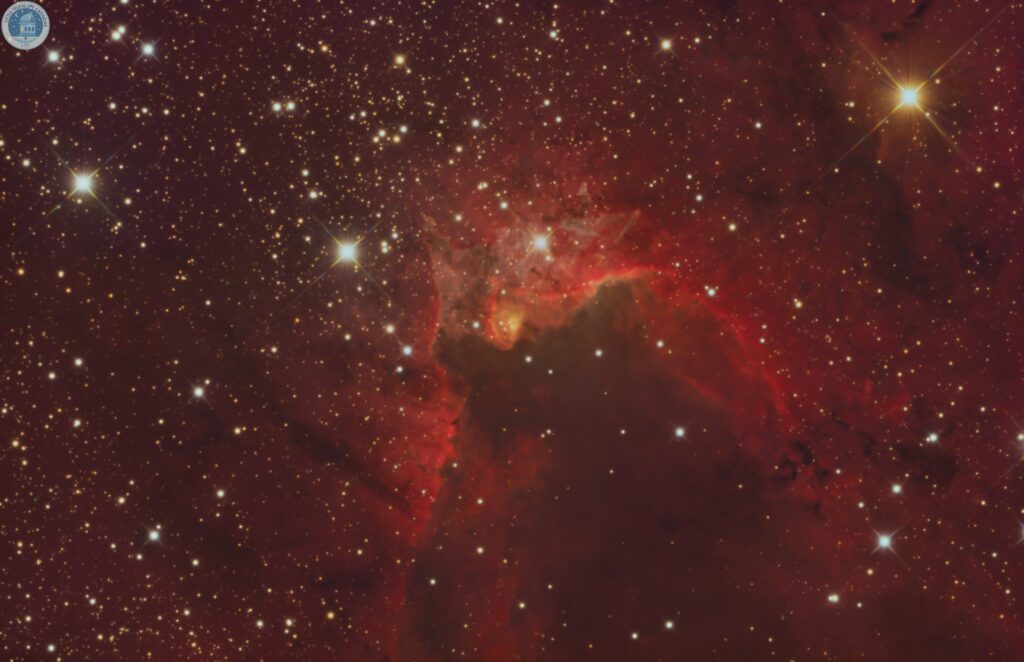
The NGC 772 is a spiral galaxy located in the constellation of Aries, about 130 million light-years from Earth. It was discovered by William Herschel in 1785 and stands out for its pronounced asymmetry, with one spiral arm much more developed than the others.
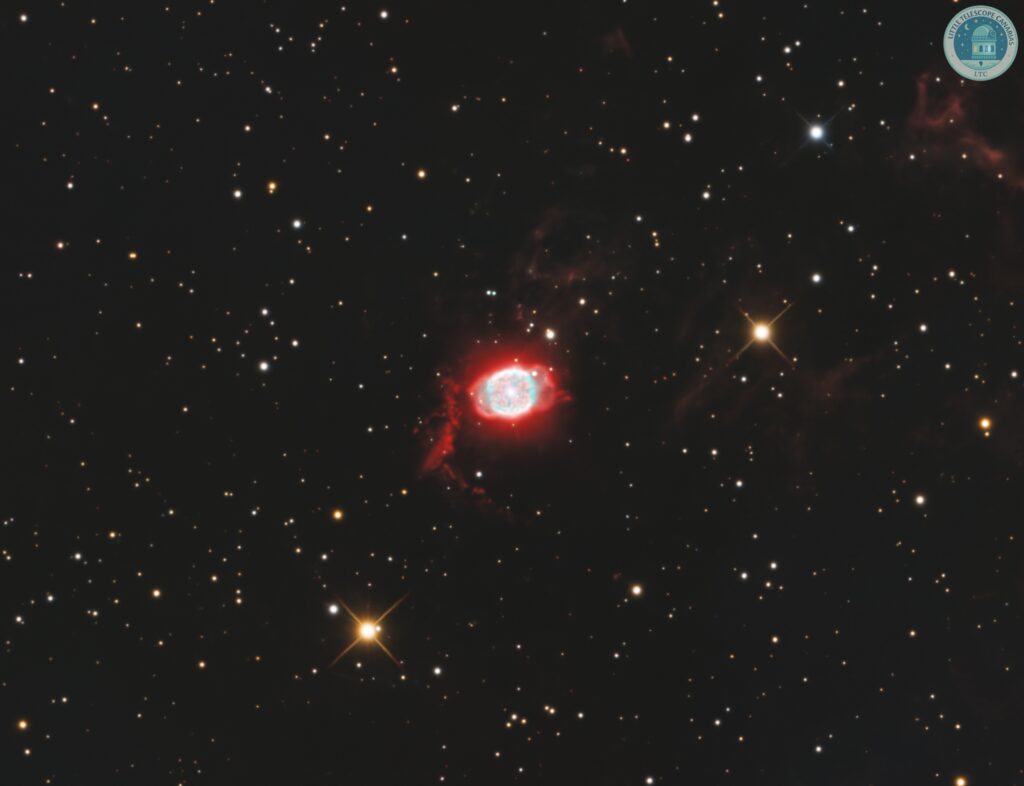
The NGC 772 is a spiral galaxy located in the constellation of Aries, about 130 million light-years from Earth. It was discovered by William Herschel in 1785 and stands out for its pronounced asymmetry, with one spiral arm much more developed than the others.
The NGC 772 is a spiral galaxy located in the constellation of Aries, about 130 million light-years from Earth. It was discovered by William Herschel in 1785 and stands out for its pronounced asymmetry, with one spiral arm much more developed than the others.
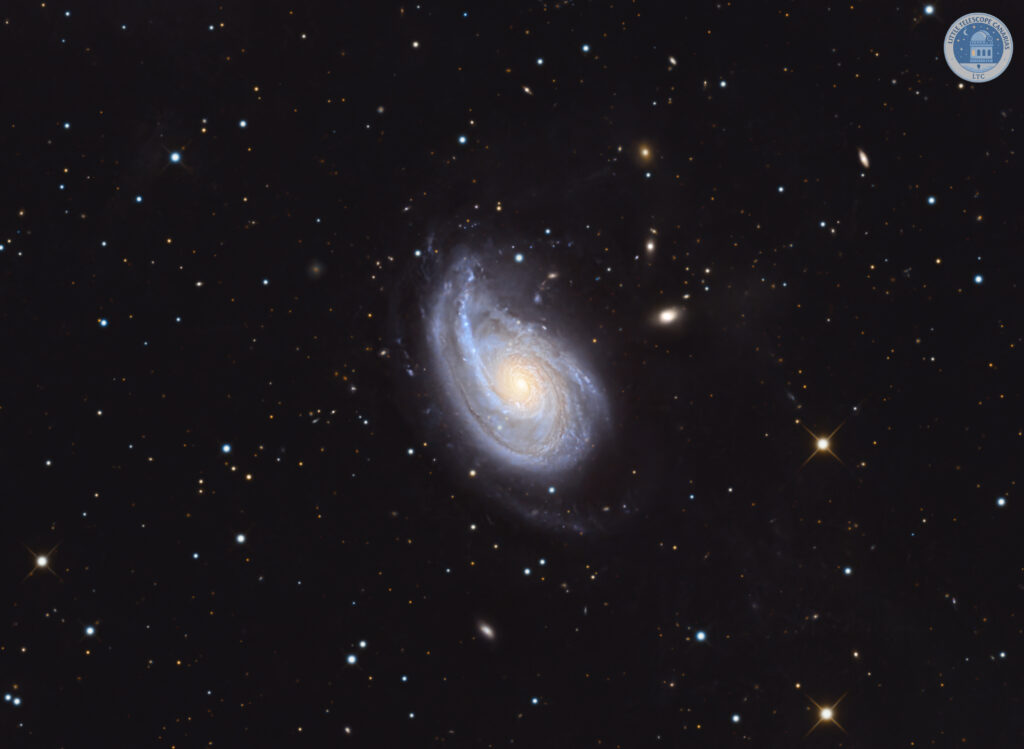
The system Arp 214, located in the constellation of Hercules, is a fascinating example of galaxies in an advanced stage of interaction, about 400 million light-years from Earth. It was included in the Atlas of Peculiar Galaxies by Halton Arp due to its highly irregular and disturbed morphology.
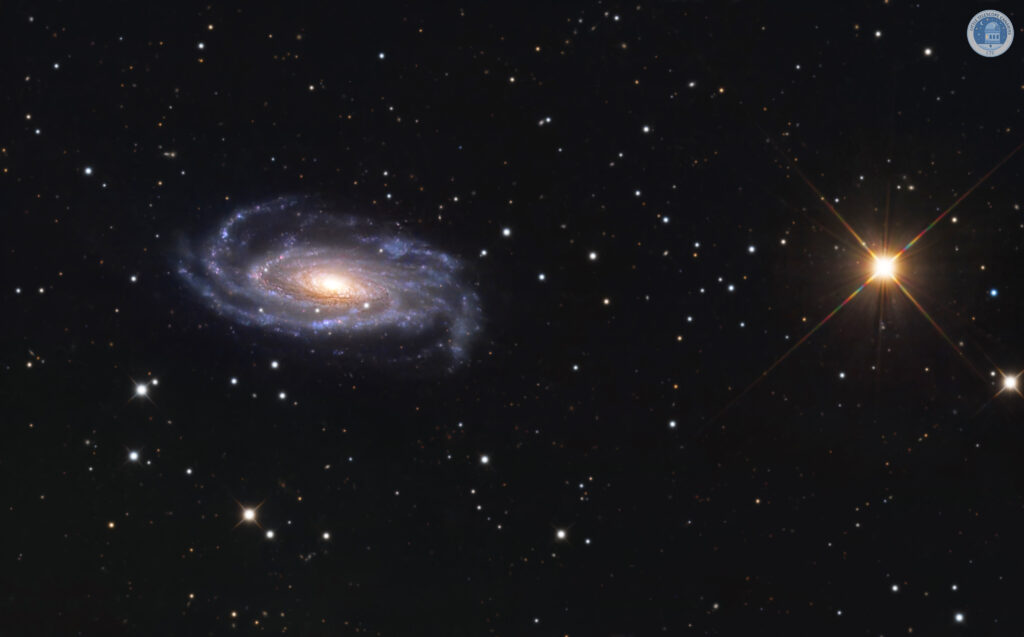
The Arp 214 system, primarily associated with the galaxy NGC 3718, is one of the most fascinating examples of galaxies distorted by gravitational interaction. Located in the constellation of Ursa Major, about 52 million light-years from Earth, it was included by Halton Arp in his famous Atlas of Peculiar Galaxies because of its extraordinary morphology.
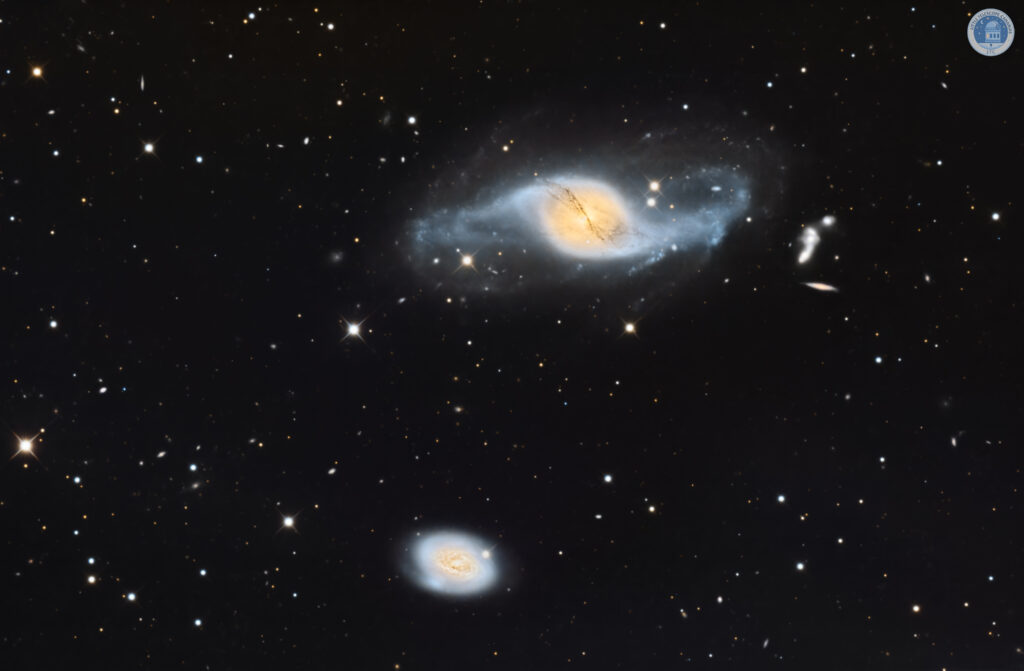
The system Arp 229, located in the constellation of Boötes, is a fascinating group of gravitationally interacting galaxies about 200 million light-years from Earth. It was included in the Atlas of Peculiar Galaxies by Halton Arp.
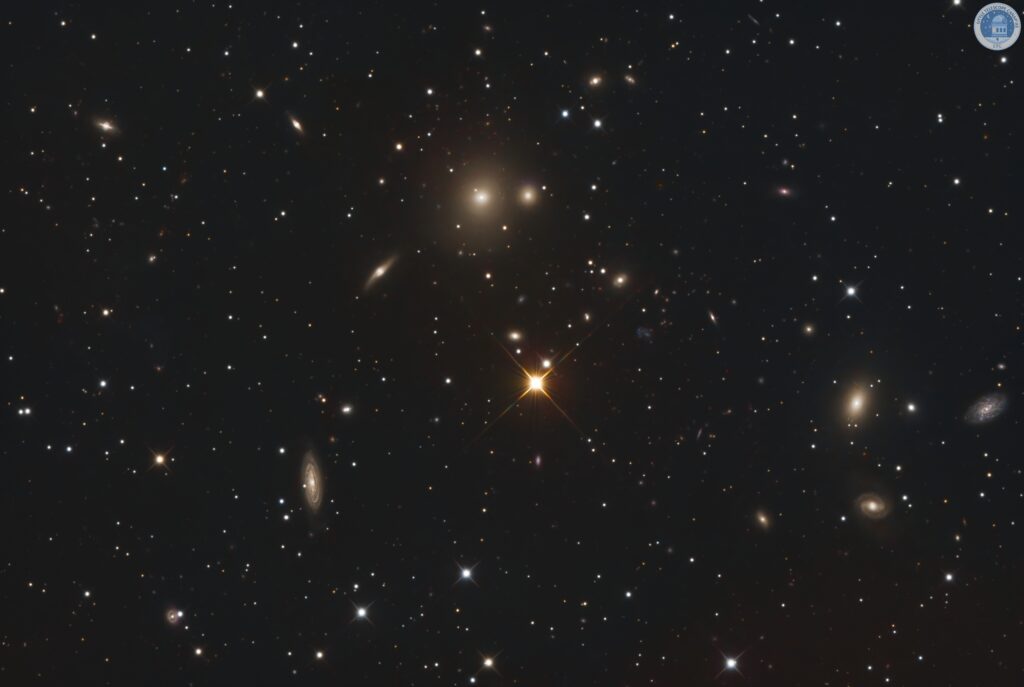
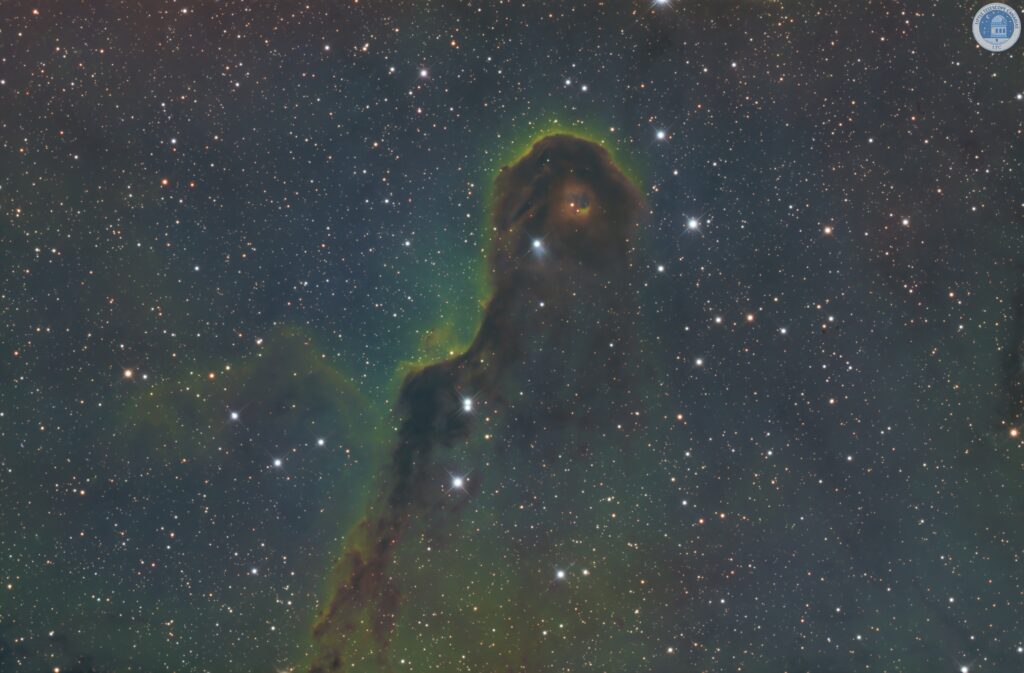
The IC 1396, known for containing the famous Elephant Trunk Nebula, is a vast star-forming region located in the constellation of Cepheus, about 2,400 light-years from Earth.
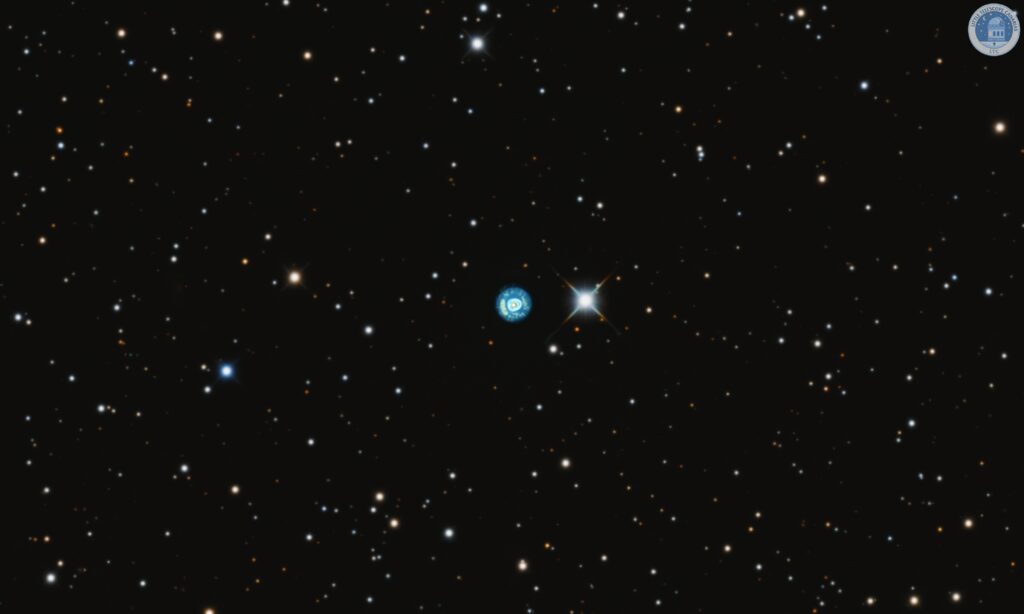
NGC 2392, known as the Eskimo Nebula, is a planetary nebula located in the constellation of Gemini, about 4,000–5,000 light-years from Earth. It was discovered by William Herschel in 1787 and owes its nickname to its appearance, resembling a face surrounded by a hood.
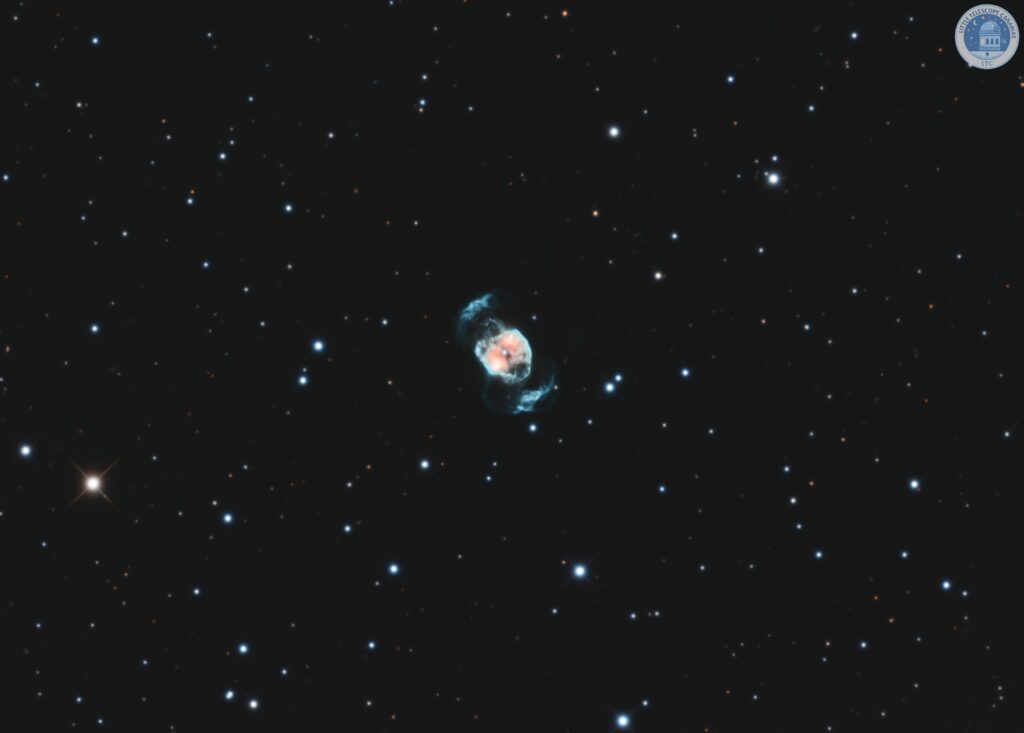
The NGC 2371, also known as NGC 2372, is a planetary nebula located in the constellation of Gemini, about 4,000 light-years from Earth. It was discovered by William Herschel in 1785, and its peculiar appearance led it to be cataloged initially as two separate objects.
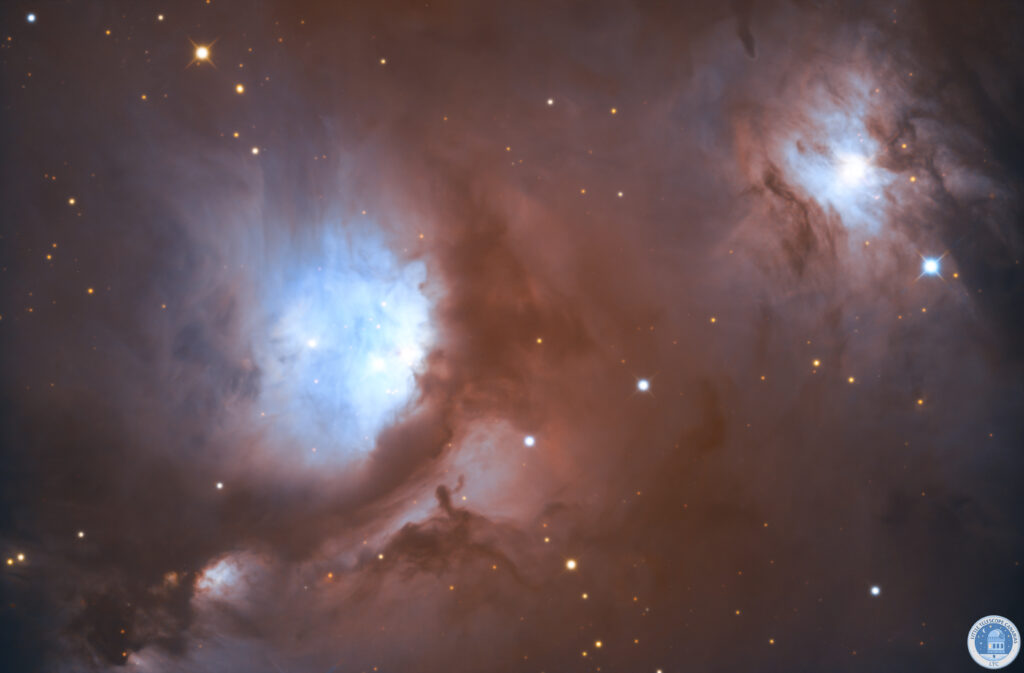
The Messier 78, known as M78, is one of the brightest reflection nebulae in the sky, located in the constellation of Orion, about 1,350 light-years from Earth.
The system Arp 273 consists of two interacting galaxies located in the constellation of Andromeda, about 300 million light-years from Earth.
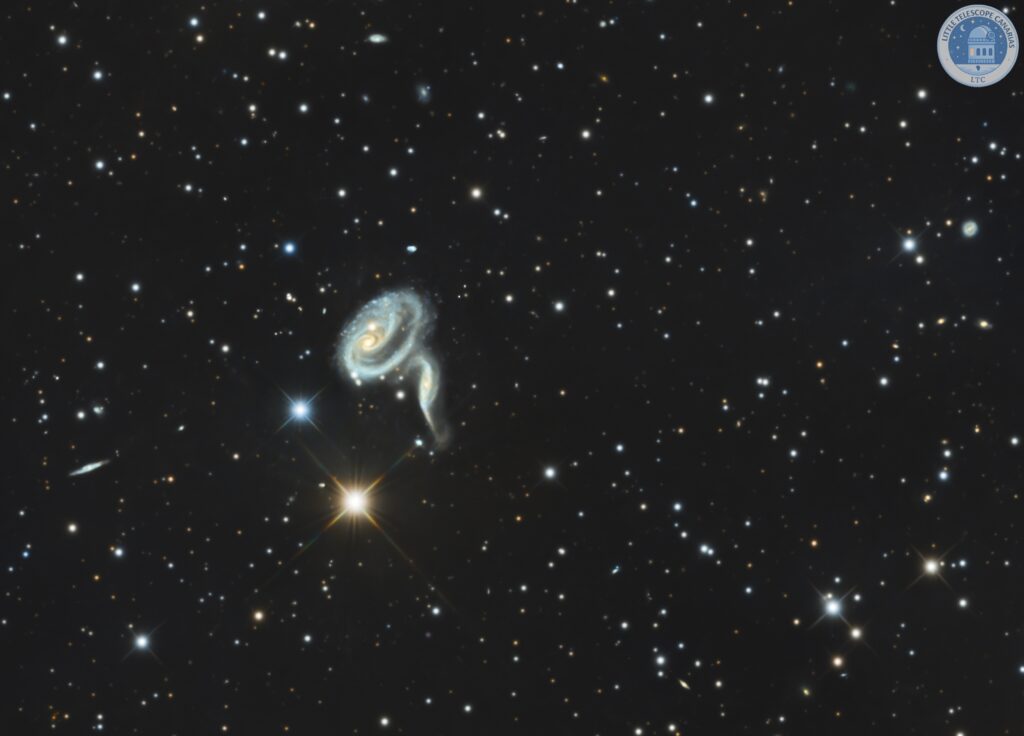
The system Arp 273 consists of two interacting galaxies located in the constellation of Andromeda, about 300 million light-years from Earth.
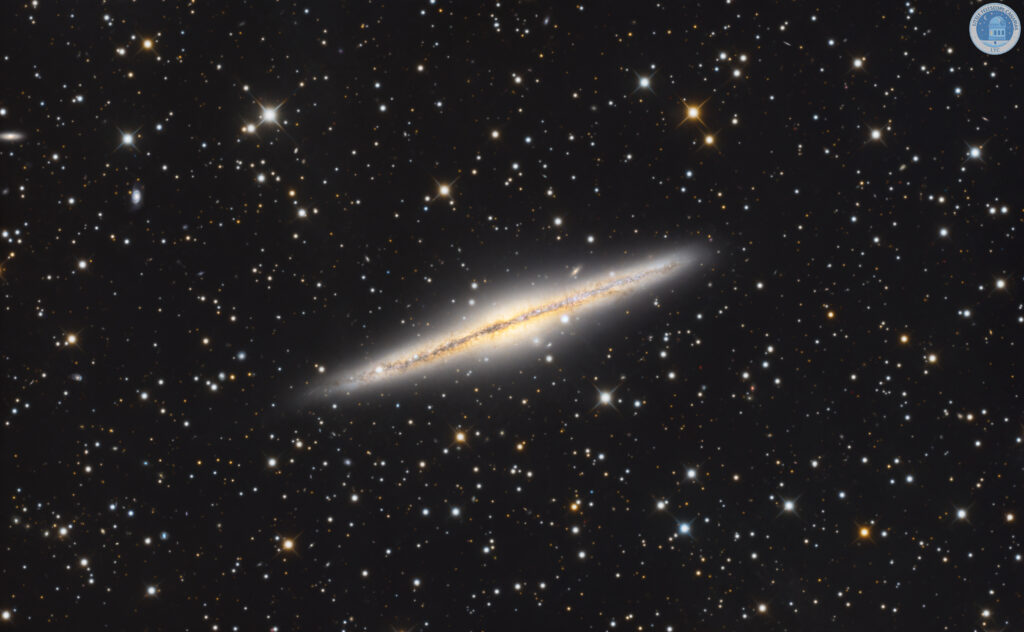
Hidden among the northern constellations of the autumn sky lies a galaxy that, while less famous than Andromeda, is just as fascinating to astronomers: NGC 891.
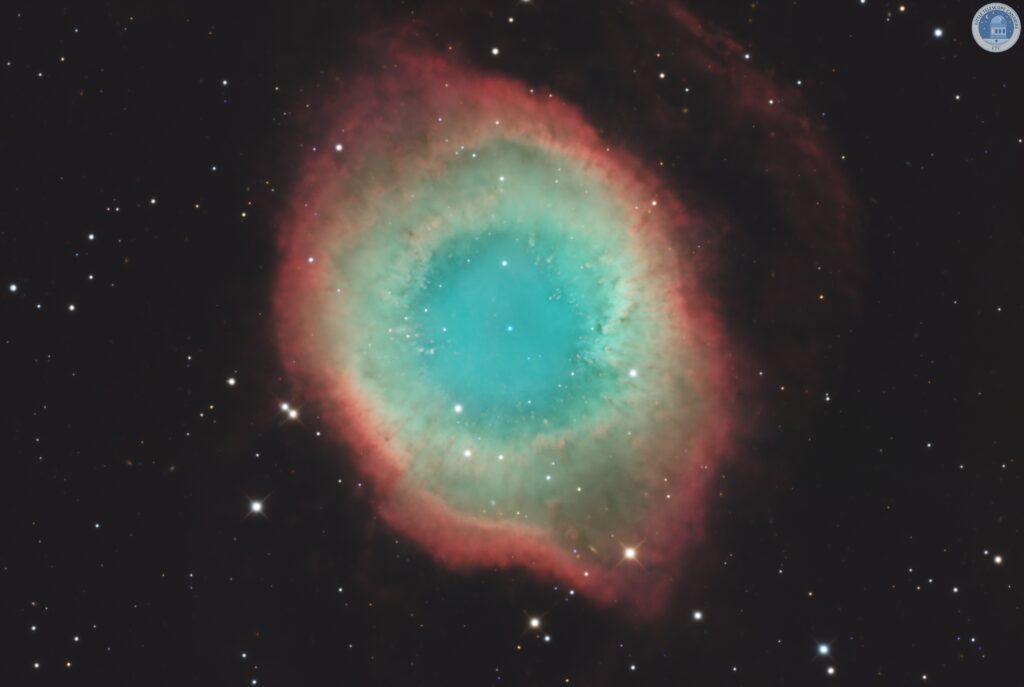
In the southern and equatorial sky there is an object that often provokes an immediate reaction when seen for the first time: NGC 7293, better known as the Helix Nebula.
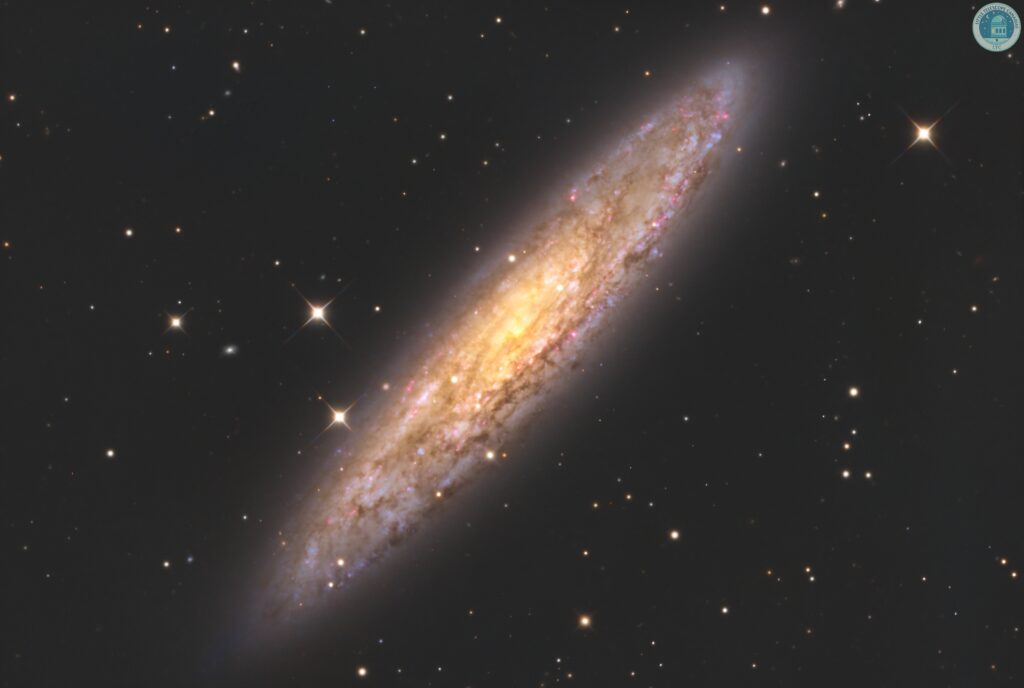
NGC 253, commonly known as the Sculptor Galaxy, it is not only one of the brightest galaxies beyond the Milky Way, but also one of the most active and fascinating objects studied by astronomers.
The planetary nebula NGC 6905, known as the “Blue Flash Nebula,” is located in the constellation Delphinus and was discovered by William Herschel in 1784.

NGC 5866 is a lenticular galaxy located in the constellation of Draco, about 44 million light-years from Earth. It was discovered by Pierre Méchain in 1781 and is sometimes associated with M102, whose identification has been historically debated.
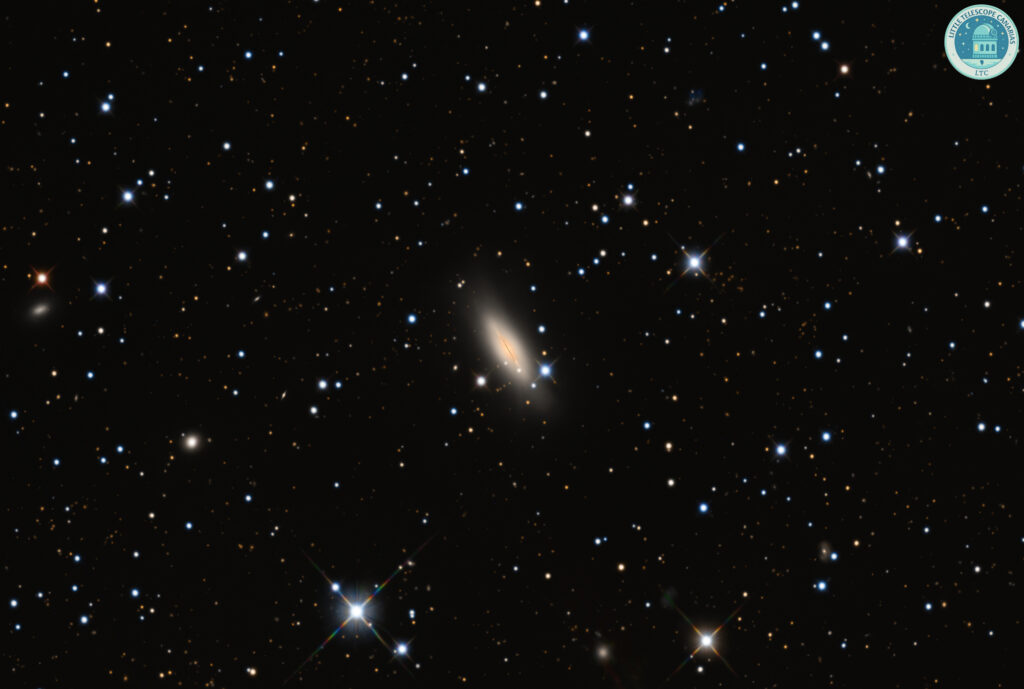
In the constellation of Pegasus, about 290 million light-years away, lies one of the most fascinating and studied groups of galaxies: Stephan’s Quintet, also known as Hickson 92.

Discovered in 1784 by William Herschel, NGC 7331 is often considered a close analog of the Milky Way, making its study especially valuable for understanding the evolution of our own galaxy.

In the constellation of Sagittarius, just 1.6 million light-years from Earth, lies one of the closest and most fascinating dwarf galaxies: NGC 6822, also known as Barnard’s Galaxy.

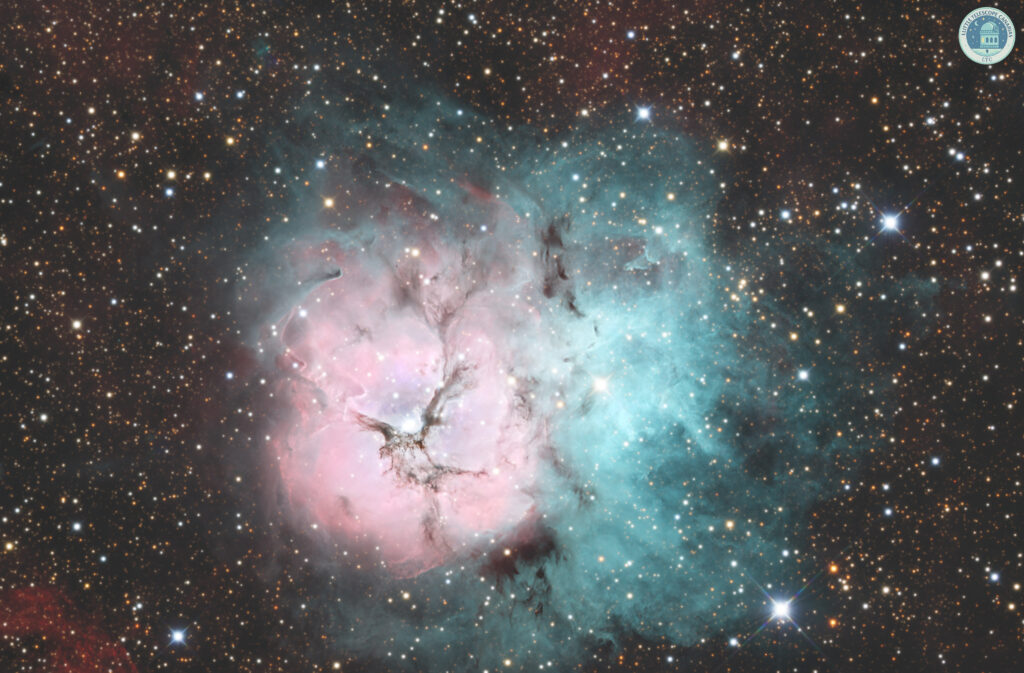
Its name, “Trifid,” comes from the three dark dust lanes that seem to divide it into distinct regions, creating a cosmic landscape of great beauty and complexity.
When a medium-mass star exhausts its nuclear fuel, it expels its outer layers into interstellar space, creating a glowing shell of ionized gas illuminated by the ultraviolet radiation of the stellar core that remains: a white dwarf.

Among the most fascinating deep-sky objects is NGC 6826, also known as the Blinking Planetary Nebula, located in the constellation of Cygnus (The Swan) about 2,000 light-years from Earth.

In the constellation of Ophiuchus, about 6,000 light-years from Earth, lies Abell 43, a planetary nebula of low surface brightness which, despite its faint glow, represents an object of great astrophysical interest.

Cataloged by George Abell in 1966, it belongs to the group of planetary nebulae with low surface brightness, making it a challenge for visual observation but a true treasure for advanced astrophotography.

NGC 6543, better known as the Cat’s Eye Nebula, its unique and complex appearance has fascinated both professional astronomers and amateurs, making it a reference object in the study of planetary nebulae.

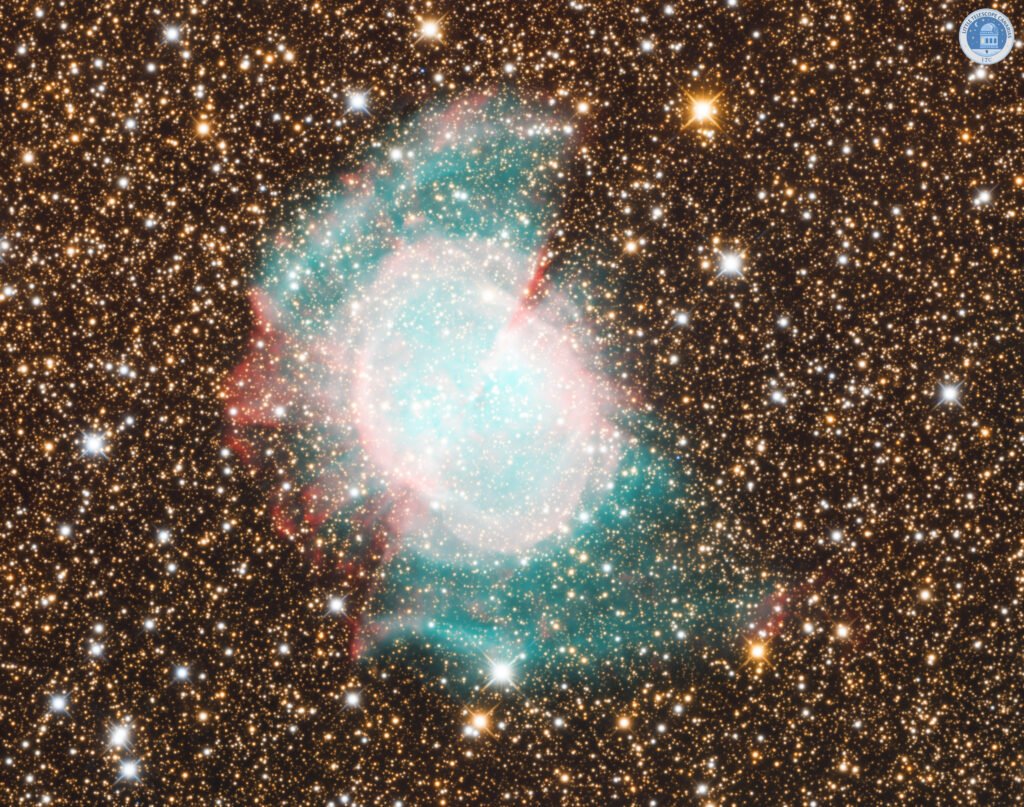
In the constellation of Vulpecula, about 1,360 light-years from Earth, lies one of the most impressive and brightest planetary nebulae of the deep sky: M27, also known as the Dumbbell Nebula.
In the constellation of Hercules, about 500 million light-years away, lies the galaxy cluster Abell 2151, also known as the Hercules Cluster.

In the constellation of Draco, about 50 million light-years away, lies one of the most striking galaxies visible from Earth: NGC 5907, commonly known as the Needle Galaxy due to its slender shape when observed edge-on.

At the border between the constellations of Cepheus and Cygnus, about 22 million light-years away, lies one of the most fascinating galaxies in the deep sky: NGC 6946, popularly known as the Fireworks Galaxy.

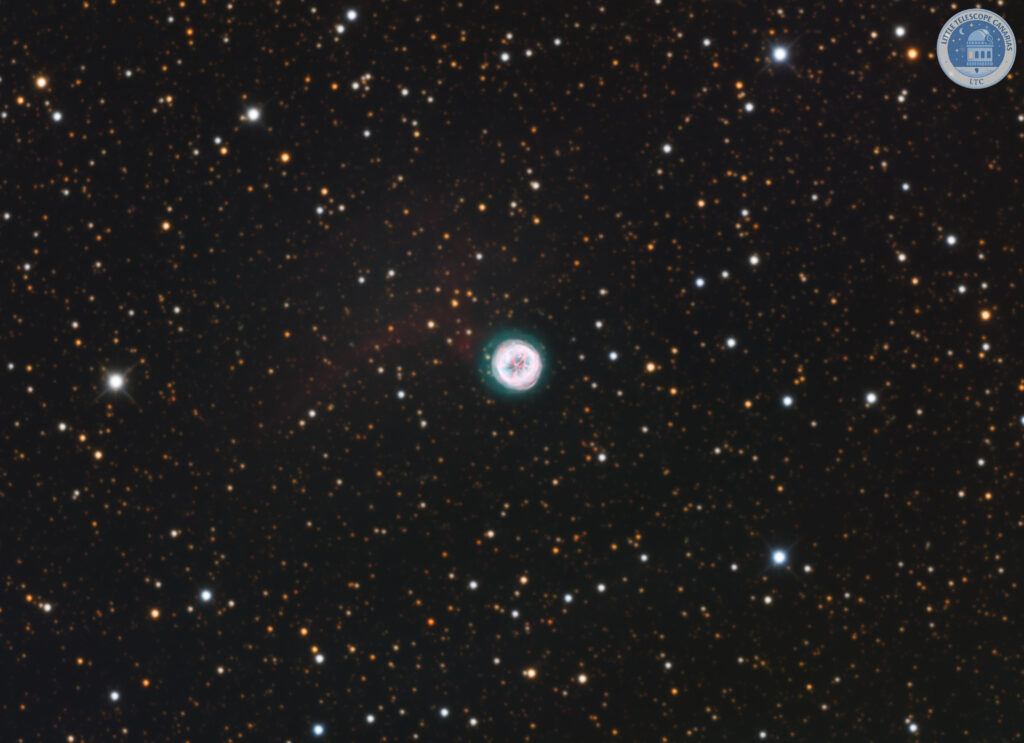
M97 known as the Owl Nebula, is a planetary nebula located in the constellation of Ursa Major, about 2,000–2,500 light-years from Earth. It was discovered by Pierre Méchain in 1781 and later included in the catalog of Charles Messier.
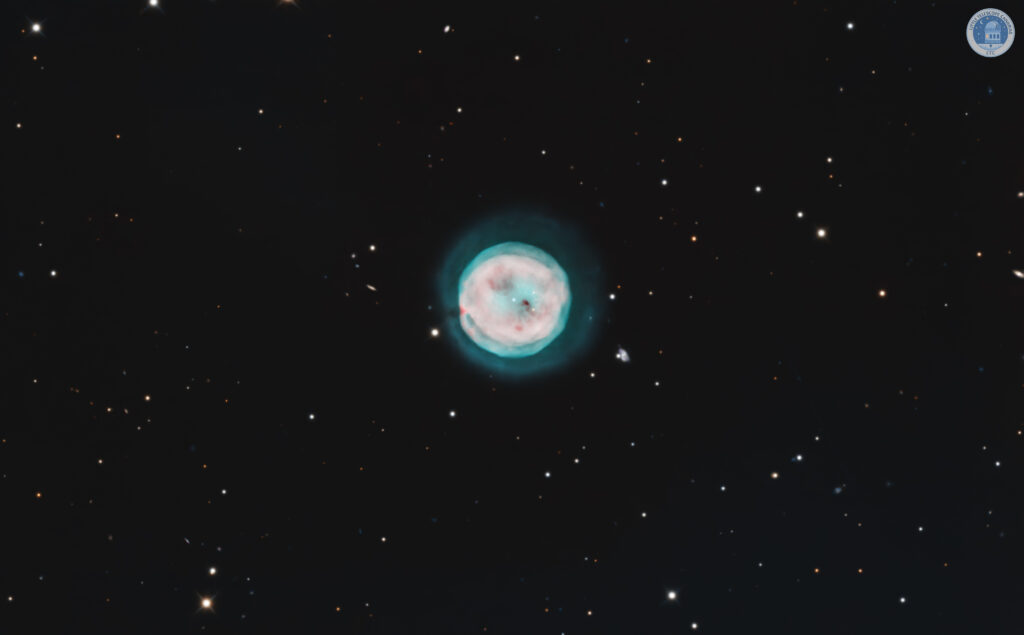
In the constellation of Hercules, about 7,000 light-years away, lies one of the most remarkable examples of symmetry in the universe: the planetary nebula Abell 39
