
IC 239 – A Subtle Spiral in Andromeda
IC 239 is a spiral galaxy located in the constellation of Andromeda, at an approximate distance of 250 million light-years from Earth. It was cataloged in the late 19th century in the Index Catalogue and is notable for its low surface brightness, making it a challenging object even under dark skies.
Its faint and compact appearance places it among the less conspicuous galaxies, though it remains scientifically interesting.
💥 A low surface brightness galaxy
IC 239 is an example of a spiral galaxy where light is smoothly distributed, without strongly contrasted structures. Objects like this are useful for studying how stars and gas are organized in systems with low overall activity.
Although it does not host a particularly active nucleus, star formation still occurs within it, albeit at a moderate rate.
📸 Images from LilTecan
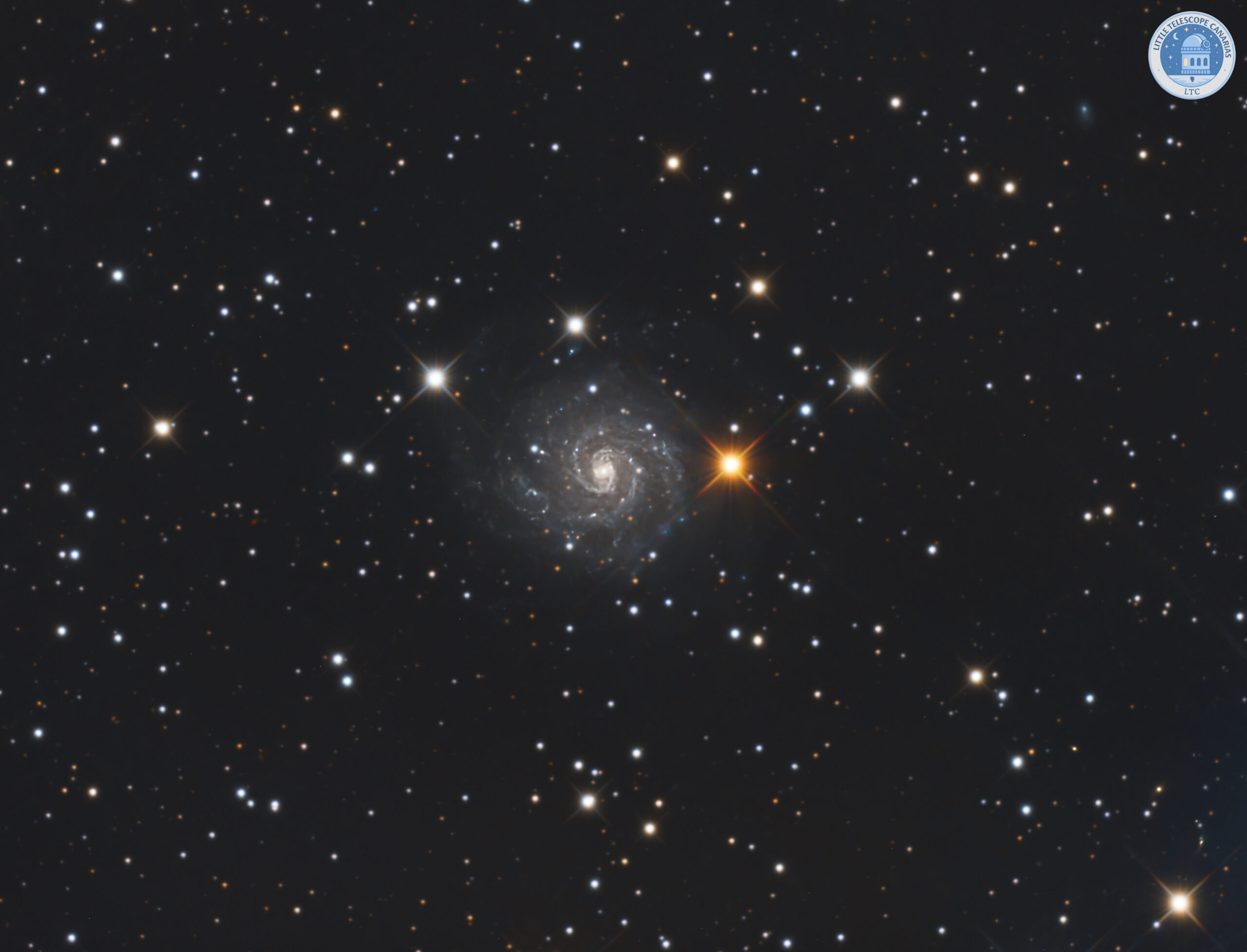
The LilTecan team has captured IC 239 using long exposures, revealing its faint halo and the subtle presence of its spiral arms.
🌟 Structure and observational characteristics
Available studies highlight several key aspects:
- It shows a weak spiral structure, with poorly defined arms.
- Its angular size is small, consistent with its large distance.
- It has low surface brightness, making observation difficult.
- Its nucleus is not very prominent, with no clear signs of strong activity.
- It contains interstellar gas and dust, relatively evenly distributed.
- It represents a relatively quiet system, with no major visible perturbations.
IC 239 is a galaxy that rewards patient observation. Its subtlety makes it a good example of the countless galactic systems that populate the universe without drawing much attention.
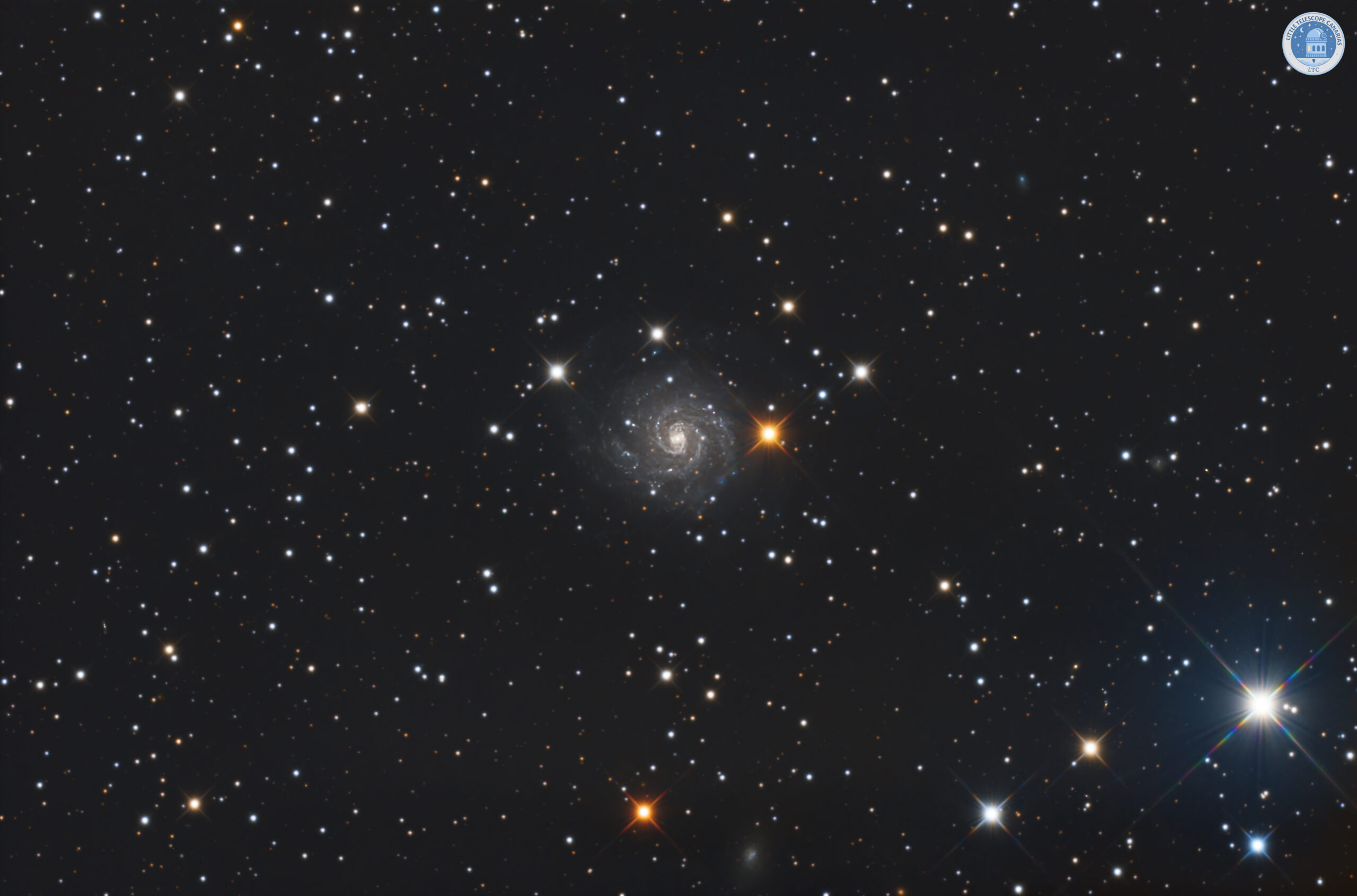
Observing it today is an exercise in sensitivity and technique, where the faintest details reveal distant galactic structures and remind us of the vastness of the cosmos.