
NGC 7042 – A Faint Spiral in Cygnus
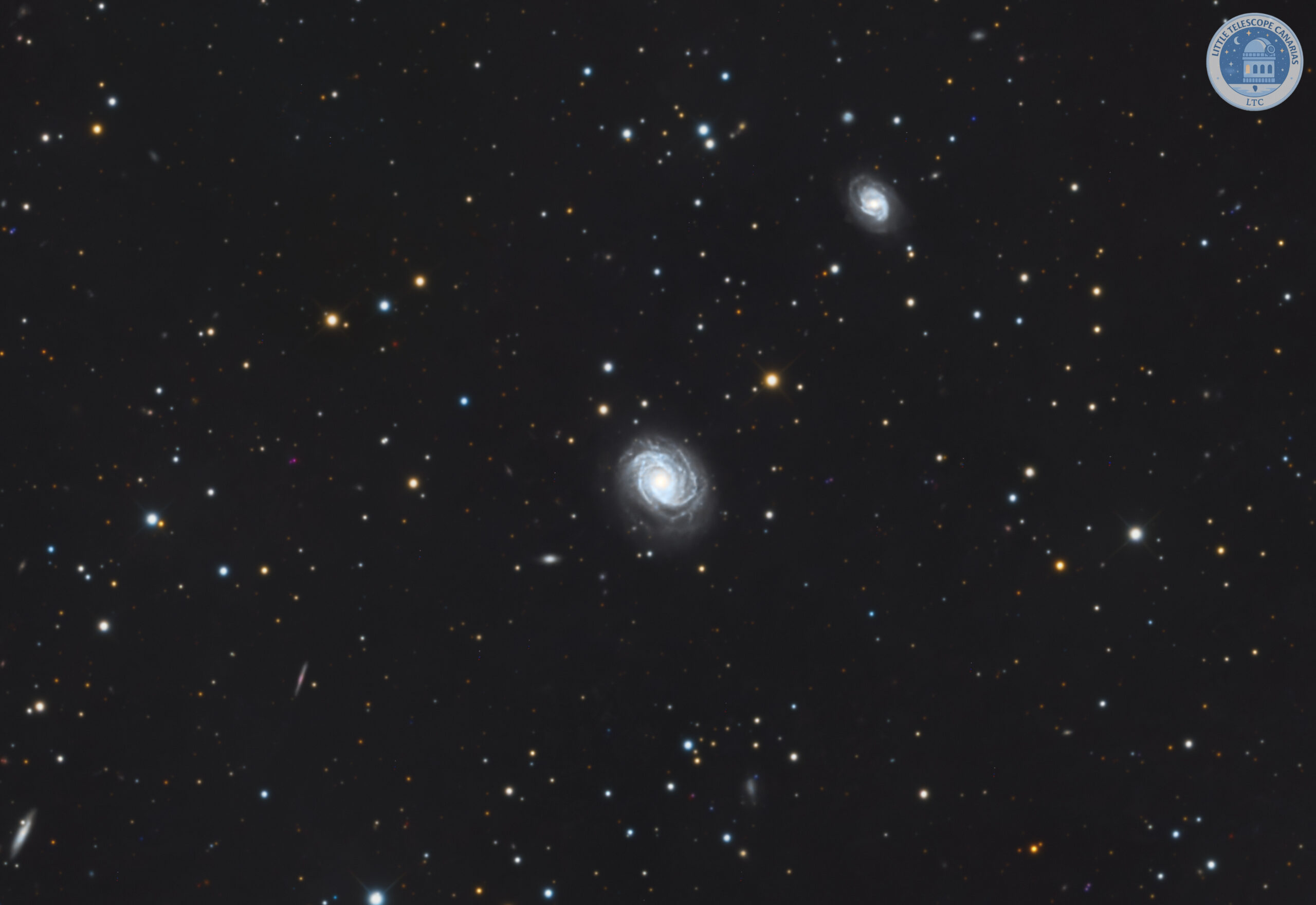
NGC 7042 is a spiral galaxy located in the constellation of Cygnus, about 300 million light-years from Earth. It was discovered by Albert George Wilson and is characterized by its low surface brightness, making it a challenging object even for telescopes with significant aperture.
Its faint and diffuse appearance places it among the less conspicuous galaxies in the NGC catalog.
💥 A subtle but interesting galaxy
NGC 7042 is a relatively distant spiral galaxy whose light is smoothly distributed, without a strongly dominant core. This type of galaxy is useful for studying faint spiral structures and the distribution of gas and stars in relatively quiescent systems.
Despite its calm appearance, star formation still occurs within it, although at a moderate rate.
📸 Images from LilTecan
The LilTecan team has captured NGC 7042 through long-exposure imaging, revealing its faint structure and the weak definition of its spiral arms.
🌟 Structure and observational characteristics
Available studies highlight several key properties:
- It shows a loosely defined spiral structure, with diffuse arms.
- Its angular size is small, reflecting its large distance.
- It has low surface brightness, making observation difficult.
- Its nucleus is faint and not very prominent compared to other spiral galaxies.
- It contains interstellar gas and dust, though without intense star-forming regions.
- It is a good example of a faint and relatively inactive galaxy in the distant universe.
NGC 7042 is a galaxy that stands out not for its spectacle, but for its subtlety. Studying it helps us better understand the diversity of galactic structures and different levels of activity in the universe.
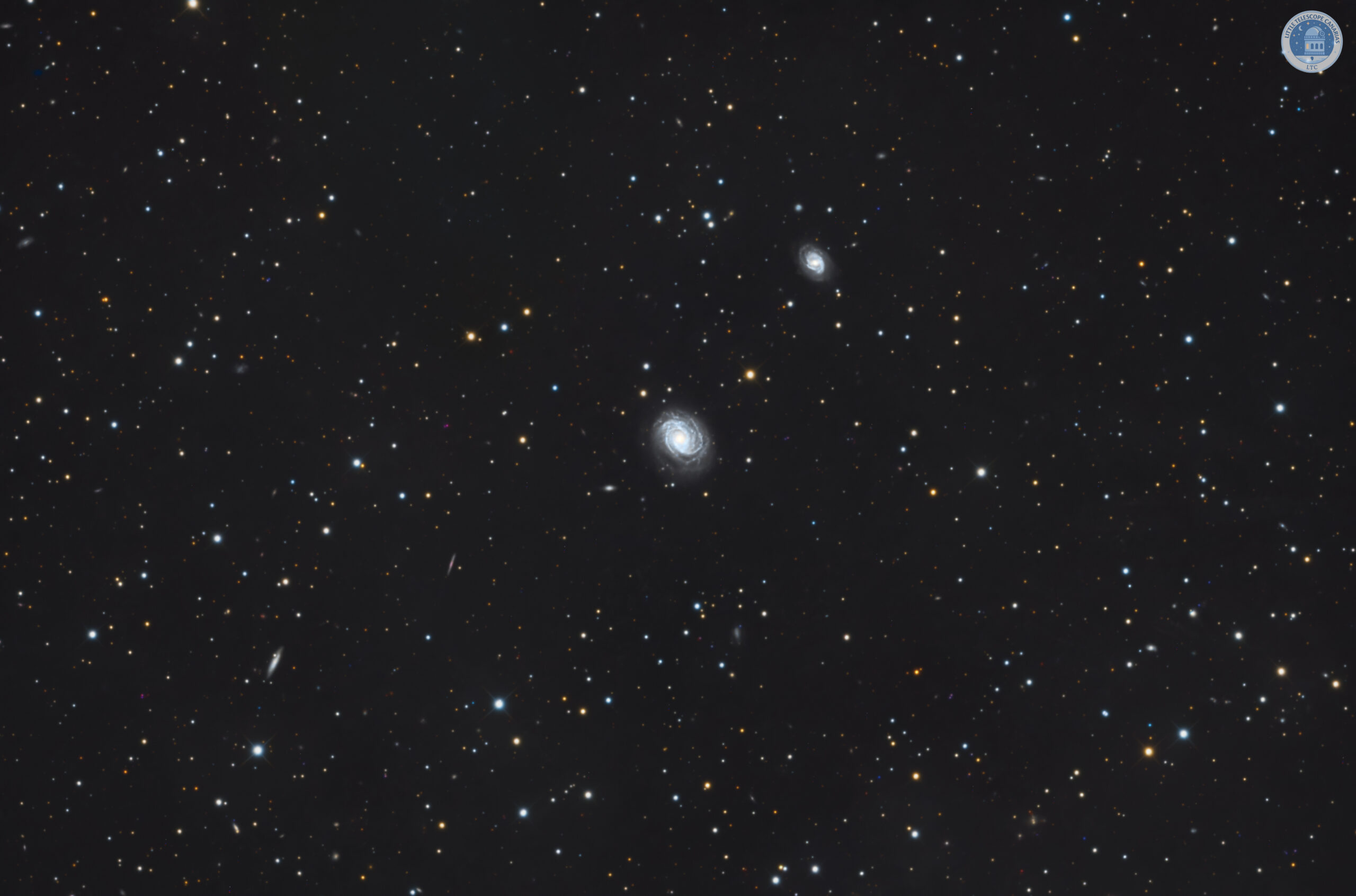
Observing it today is a challenge that tests both sky conditions and equipment, but also an opportunity to explore the more subtle objects in the cosmos, where beauty lies in the finest details.